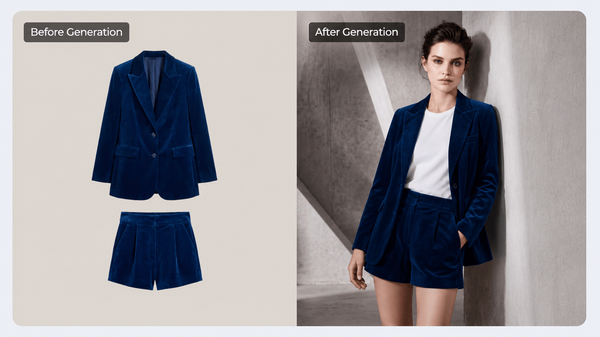
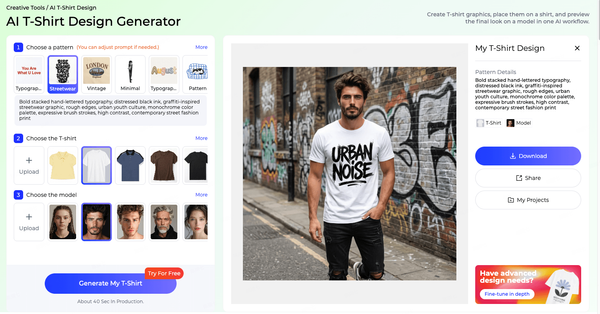
AI-powered virtual try-on tools are transforming how consumers shop for fashion online—reducing returns, improving fit accuracy, and creating more personalized experiences. Solutions like Style3D AI are setting new standards by enabling real-time digital garment visualization and precise virtual fitting.
How Is the Fashion Shopping Experience Changing in 2026?
According to McKinsey’s “State of Fashion 2025” report, over 65% of fashion purchases now occur online, yet return rates hover near 30%, largely due to incorrect sizing and visualization issues. At the same time, Statista projects the virtual fitting room market to exceed USD 15.4 billion by 2030. This rapid growth reflects retailers’ urgent need to reduce losses from returns—estimated at over USD 550 billion annually in the global fashion e-commerce sector. Consumers are demanding interactive, visual, and customized buying experiences that traditional online catalogs can’t provide.
What Pain Points Are Retailers and Consumers Facing?
-
Shoppers struggle to visualize true fit, fabric texture, and garment drape.
-
Retailers face operational losses and environmental impact from high return volumes.
-
Designers lack tools to virtualize their products efficiently, slowing supply chain agility.
-
Online platforms lose conversion opportunities without immersive visual try-ons.
For brands, these challenges translate to missed revenue and low customer trust. A one-size-fits-all approach can no longer sustain profitability or engagement in digital retail.
Why Are Traditional Solutions No Longer Sufficient?
Traditional e-commerce solutions—static images, model photos, and manual size charts—fail to capture the individuality of body types and garment structures. Even standard 2D size recommendation engines can’t convey comfort, proportion, or styling variation. Physical samples, meanwhile, consume time and cost in design validation cycles. For designers and retailers, these inefficiencies hinder speed-to-market and creative iteration.
How Does an AI Virtual Try-On Solution Transform the Process?
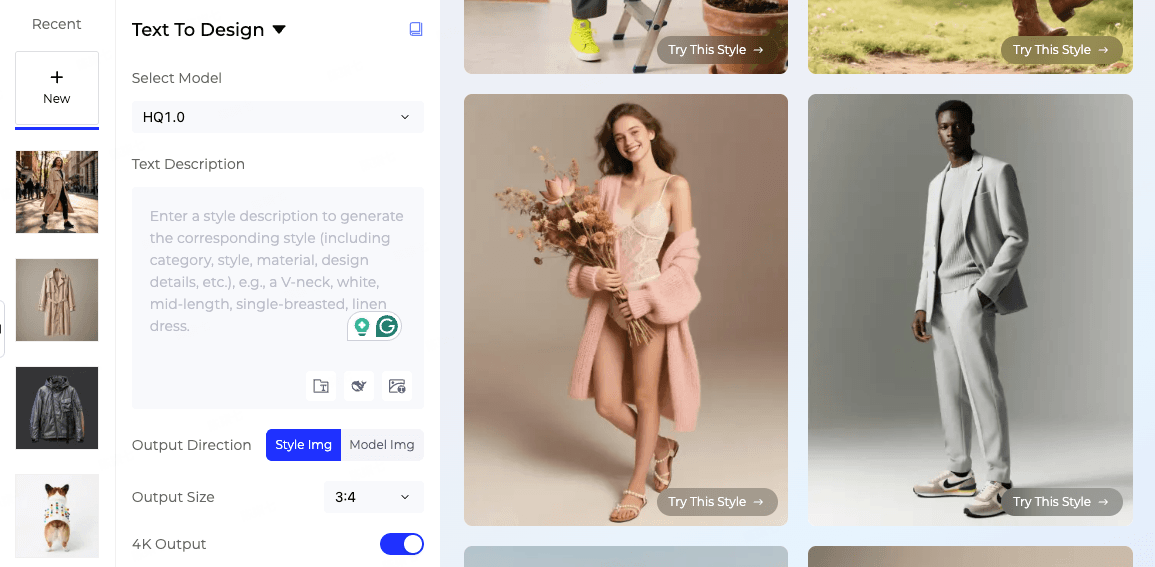
Emerging technologies such as Style3D AI introduce intelligent digital fitting powered by computer vision, 3D simulation, and generative modeling. These solutions allow users to visualize clothing on real or avatar-based bodies within seconds. Brands can upload product data—patterns, fabrics, or design sketches—and instantly render lifelike try-on experiences that scale across online shops or social platforms.
Key features include:
-
3D garment simulation with realistic fabric textures and lighting.
-
AI-driven avatar generation matching individual body metrics.
-
Integration with virtual showrooms and e-commerce APIs.
-
Real-time try-on previews via camera or photo upload.
-
Seamless linkage from design creation to sales distribution.
Style3D AI extends beyond visualization—it streamlines every stage from digital sampling to product marketing.
What Are the Key Advantages Compared to Traditional Methods?
| Category | Traditional Online Retail | AI Try-On Solution (Style3D AI) |
|---|---|---|
| Visualization | Static 2D images | Real-time 3D simulation |
| Accuracy | Manual sizing | AI-driven body mapping |
| Sample Production | Physical prototypes | Digital samples |
| Customer Experience | Limited engagement | Personalized interaction |
| Return Rate | 25–35% average | Under 10% reported |
| Speed to Market | Weeks/months | Hours/days |
| Cost Efficiency | High sample cost | Low digital iteration cost |
How Can You Start Using AI Clothing Try-On Tools?
-
Upload product data: Include patterns, textures, and sizing information.
-
Generate avatars: Users or brands create custom avatars or body scans.
-
Render digital garments: AI simulates fabric physics and movement.
-
Integrate try-on modules: Embed plug-ins into online stores or apps.
-
Analyze engagement: Use built-in analytics to monitor conversion and fit satisfaction.
-
Iterate and optimize: Modify designs and sizing in real-time using feedback insights.
What Real-World Scenarios Prove the Impact?
1. Boutique Fashion Brand
Problem: High return rates due to misleading size charts.
Traditional Approach: Manual measurements and 2D photos.
Result After Using Style3D AI: 40% fewer returns, 25% faster checkout rate.
Key Benefit: Realistic visualization enhanced consumer trust.
2. Apparel Manufacturer
Problem: Costly sample production cycles.
Traditional Approach: Multiple physical prototypes per design.
Result After Using Style3D AI: 60% prototype cost savings, 3x faster development.
Key Benefit: Instant digital validation of fabric and fit.
3. E-Commerce Retailer
Problem: Low conversion on new collections.
Traditional Approach: Static product pages.
Result After Using Style3D AI: 35% increase in engagement time, 27% higher sales.
Key Benefit: Immersive try-on experience raised buyer intent.
4. Independent Designer
Problem: Limited resources for visualization.
Traditional Approach: Outsourced 3D modeling or photography.
Result After Using Style3D AI: Full digital catalog creation within days.
Key Benefit: Creative freedom and affordability.
Why Should Fashion Brands Invest Now?
Virtual try-on technology is no longer experimental—it’s essential. As fashion e-commerce matures, integrating AI-driven fitting increases sustainability, reduces operational waste, and strengthens customer loyalty. Early adopters of Style3D AI are already capturing measurable ROI by reducing sampling loops and scaling product personalization. In 2026 and beyond, digital transformation in fashion will hinge on immersive visualization and user interactivity—both achievable today through AI platforms like Style3D AI.
FAQs
1. Is AI virtual try-on technology accurate for all body types?
Yes. AI algorithms adapt to full body measurement data to ensure high precision across diverse shapes and proportions.
2. Can Style3D AI integrate with Shopify or other e-commerce platforms?
Absolutely. The system provides modular integration APIs for major retail platforms.
3. How secure is user image data during virtual fitting?
Data is encrypted and anonymized based on global privacy standards including GDPR.
4. Does the try-on tool support fabric texture and motion simulation?
Yes. Style3D AI recreates realistic drape and texture across multiple fabric types.
5. Can brands test the technology before a full rollout?
Yes. Free trials or pilot programs allow testing for specific product lines or collections.
Sources
-
McKinsey & Company – The State of Fashion 2025
-
Statista – Virtual fitting room market forecast to 2030
-
Shopify Plus – E-commerce returns and conversion data
-
FashionUnited – Impact of 3D design tools on sample reduction
-
Reuters – Global e-commerce and sustainability report