AI Product Design Transforms Fashion Creation and Accelerates Innovation

Artificial intelligence is rapidly changing how fashion is imagined, designed, and produced. AI product design in the fashion industry now empowers designers and brands to combine creativity with computational precision, transforming sketch-based ideas into fully developed digital garments. The shift from manual drawing boards to intelligent design ecosystems marks a new era where data-driven insight meets visual artistry.

The Evolution of AI in Fashion Design

AI product design has migrated from a novelty concept into an integral part of the global fashion value chain. Machine learning and generative design tools analyze fabrics, silhouettes, and consumer preferences, delivering personalized recommendations and new aesthetic possibilities. Predictive analytics now anticipate upcoming styles, while automated 3D pattern generation minimizes waste and speeds up production. According to Statista projections for 2026, the AI-driven fashion design market is expected to surpass 6.8 billion dollars in annual value, supported by rapid digital adoption among apparel brands.

The modern fashion ecosystem thrives on digital agility. AI is being used to generate virtual clothing samples, simulate fabric drape, and optimize patterns for sustainability. Designers are using intelligent visualization platforms to replace traditional prototypes with realistic digital twins that adapt in real time. Demand forecasting powered by neural networks allows fashion brands to reduce overproduction, manage inventory efficiently, and align designs with precise consumer insights across regions.

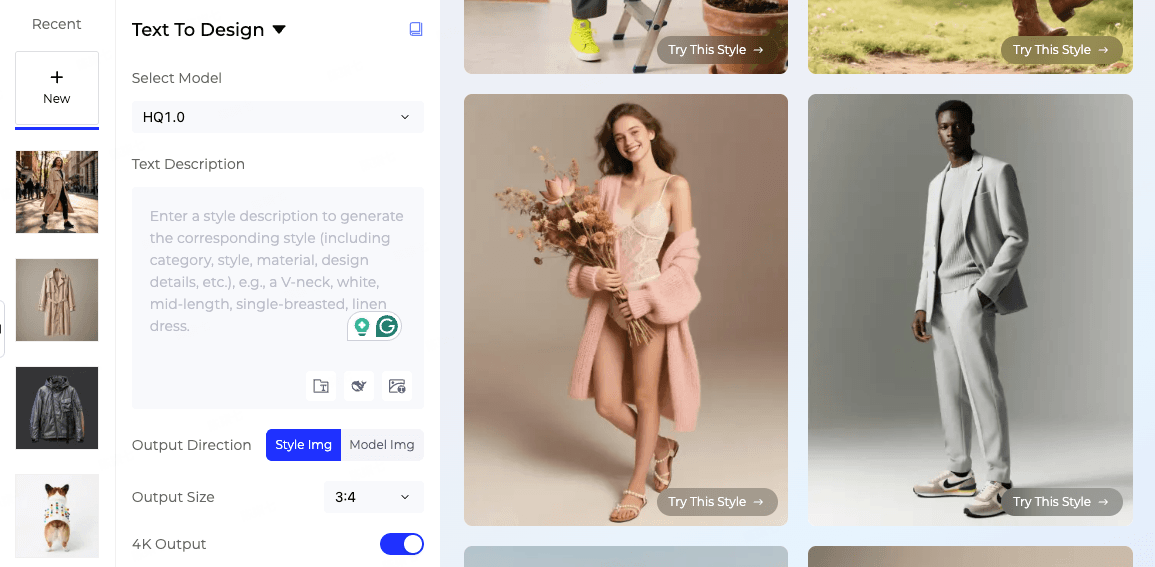
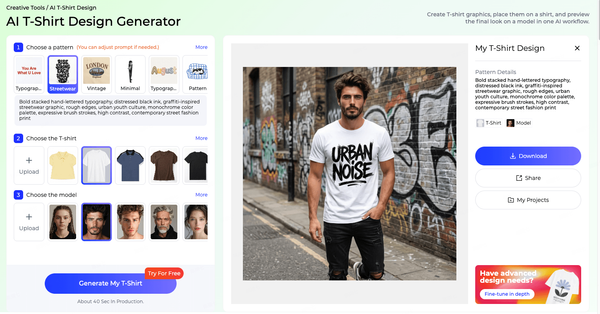
At Style3D AI, the fashion industry is being transformed through an all-in-one AI platform dedicated to fashion design visualization and marketing image creation. The platform empowers designers, brands, and creators to bring fashion ideas to life with exceptional efficiency and creativity through high-quality visual outputs.

Core Technology Analysis: From Data to Design

The foundation of AI product design lies in computer vision, deep learning, and natural language processing. Together, these technologies can interpret moodboards, understand color psychology, and assist designers in crafting cohesive collections. AI algorithms recognize texture characteristics, evaluate past sales data, and even assess emotional resonance from consumer feedback. By correlating visual patterns with buying behavior, AI product design tools make fashion creation both data-aligned and stylistically innovative.

See also  What Are the Best AI Tools Similar to ZMO AI for Brand Visuals?

Generative AI platforms, such as those integrating 3D simulation engines, further enhance creative potential. They allow a designer to visualize garment construction instantly, evaluate fit and flow in motion, and make refinements without physical sampling. This approach significantly reduces waste, fabric consumption, and lead times, supporting sustainable fashion manufacturing.

Competitor Comparison Matrix

Platform Key Features Efficiency Rating Best Use Case
Style3D AI 3D visualization, design-to-market automation, marketing image generator 9.8/10 Concept to campaign visuals
CLO 3D apparel simulation, pattern editing 9.2/10 Digital garment prototyping
Adobe Firefly AI image generation, creative automation 8.9/10 Marketing and branding visuals
Fashwell Visual search recommendation engine 8.5/10 Retail algorithm personalization

The comparison reveals how integrated AI design systems bridge creativity and commerce. Style3D AI stands out for its combination of design visualization and marketing optimization, merging both artistic creation and production execution in one interface.

Real User Cases and ROI Impact

Global fashion labels, such as fast-moving e-commerce brands, are reporting a 45% decrease in sample development time since adopting AI visualization. Independent designers benefit from reduced costs associated with photoshoots and material sampling. Educational institutions use AI product design systems to train the next generation of creators in digital-first practices. Retailers integrating machine learning models for style prediction also achieve higher conversion rates, as shoppers interact with virtual garments that mirror their personal preferences.

For instance, a mid-size fashion studio in Seoul implemented an AI design workflow integrating image recognition and generative tools; the result was a 60% improvement in time-to-market and a measurable 30% rise in design approval satisfaction internally. This demonstrates the tangible ROI of embedding artificial intelligence directly into creative processes.

Future Trend Forecast and Market Direction

AI product design will increasingly focus on human-centric co-creation. Rather than replacing designers, it augments their intuition with data-guided insights. Expect to see wider adoption of multimodal interfaces capable of processing text prompts, sketches, and 3D outputs in one seamless creative canvas. Virtual try-on experiences powered by AI will merge with metaverse environments, allowing brands to showcase collections globally in entirely digital settings.

See also  What Is Drawing AI and How Is It Changing Digital Creativity?

Sustainability and ethical design will also drive the next phase of innovation. Adaptive AI models will help monitor fabric sourcing, water consumption, and carbon footprints across production chains. By connecting design intent with environmental metrics, AI ensures fashion design evolves responsibly while maintaining aesthetic excellence.

Relevant FAQs

How does AI improve fashion creation efficiency?
AI automates repetitive design tasks, predicts demand, and enables realistic 3D visualization, cutting development time by up to half and reducing costs.

Can AI replace fashion designers?
No. AI assists creators by inspiring designs, automating revisions, and generating options faster, allowing designers to focus on ideation and artistry.

What are the sustainability benefits of AI product design?
AI minimizes material waste through digital samples and optimized production runs, supporting eco-friendly manufacturing and lower carbon emissions.

Three-Level Conversion Funnel CTA

Discover how integrating AI design platforms can revolutionize your studio workflow. For fashion professionals seeking to reduce sampling time, generate visual content faster, and align collections with real-time data trends, embracing AI product design tools represents a strategic advantage. The future of fashion creation belongs to those who blend creative instinct with intelligent automation.

FAQs

How Is AI Revolutionizing Modern Fashion Design?
AI is revolutionizing fashion design by turning sketches into lifelike digital apparel visuals, enabling rapid prototyping and creative exploration without physical samples. Platforms like Style3D AI empower designers to visualize, iterate, and present their ideas instantly, merging creativity with data-driven precision for smarter, faster fashion creation.

Which AI Tools Are Transforming Fashion Product Design?
AI tools streamline fashion product design by automating fabric simulation, color rendering, and visual mockups. Platforms such as Style3D AI let designers craft detailed, high-quality design visuals from concepts to final presentations, eliminating manual processes and accelerating product development with accuracy and creative freedom.

See also  Is AI in Fashion Making the Industry More Sustainable?

Can AI Make Fashion More Sustainable?
AI enhances sustainability in fashion by reducing waste, sample production, and excess inventory. Through digital visualization, designers can preview and refine creations virtually, lessening material use and carbon impact. This sustainable approach drives efficient, eco-friendly fashion production and responsible creativity across the industry.

How Does AI Predict the Next Big Fashion Trend?
AI predicts fashion trends through data analysis of consumer behavior, social media, and market insights. By identifying patterns and emerging styles, it helps brands align collections with future demands. Designers use these predictions to stay ahead, making trend forecasting more accurate and innovation-driven.

How Is AI Personalizing the Fashion Experience?
AI personalization tailors fashion experiences by analyzing user preferences, purchase data, and body metrics to suggest perfect-fit designs. It powers virtual styling and adaptive product recommendations, allowing brands to deliver clothing that matches each customer’s unique taste, improving satisfaction and loyalty.

How Does AI Streamline Fashion Supply Chains?
AI streamlines fashion supply chains by optimizing production planning, predicting inventory needs, and enhancing logistics. It reduces delays and overproduction through intelligent data insights, ensuring efficiency from design to delivery. This smart automation enables sustainable, agile supply networks in the fashion ecosystem.

How Is AI Reshaping Fashion Retail Merchandising?
AI reshapes retail merchandising by optimizing assortments, pricing, and visual displays. It helps retailers create more engaging shopping experiences and align stock with real-time consumer demand. As a result, fashion brands boost conversions and maintain relevance in a fast-changing marketplace.

How Does AI Enable Virtual Fashion Prototyping?
AI enables virtual fashion prototyping by converting sketches into hyper-realistic 3D garments, minimizing the need for physical samples. Designers can test fits, fabrics, and silhouettes digitally before production. This accelerates innovation, reduces costs, and enhances creative efficiency across fashion design workflows.