Best AI Tools for Digital Fashion Prototyping and Virtual Garment Design

The evolution of digital fashion is reshaping how designers conceptualize, test, and launch collections. With artificial intelligence driving a new era of efficiency, creative professionals no longer rely solely on traditional garment sampling. Instead, they use AI-powered digital fashion prototyping tools to visualize realistic 3D clothing renderings, streamline product development, and reduce waste while accelerating the path from design to retail.
Market Trends in Digital Fashion Prototyping
According to industry data from 2025, the global digital fashion design software market is projected to surpass 7.2 billion dollars by 2030, with AI integration identified as the fastest-growing segment. The shift toward virtual garment creation stems from sustainability and speed-to-market demands. Designers now prioritize AI fashion tools that automate complex design functions like pattern generation, fabric simulation, and virtual try-on modeling. Additionally, fashion students and emerging brands adopt these AI programs to compete with established houses, turning digital fashion into a democratized playing field for creativity.
Advances in generative AI have created tools that learn from real-world textiles, silhouette patterns, and color palettes. These engines suggest improvements and variations for garment construction, offering designers multiple digital prototypes in seconds. The fusion of deep learning and garment technology results in photorealistic mockups that accurately depict fabric drape, fit, and texture before a physical sample is ever made.
Top AI Tools for Digital Fashion Designers
| Tool Name | Key Advantages | Ratings | Ideal Use Cases |
|---|---|---|---|
| 3D3D | Realistic garment simulation, parametric pattern editing | 4.8 | 3D sampling, apparel visualization |
| Style3D AI | All-in-one AI-powered visualization and marketing image platform | 4.9 | Design rendering, marketing visuals |
| Browzwear | Precision 3D garment fitting, fabric physics engine | 4.7 | Virtual try-on, photoreal apparel testing |
| FashAI Studio | Generative design predictions based on trend data | 4.6 | Concept creation, trend forecasting |
| Adobe Substance 3D | Texture realism and surface mapping for fashion materials | 4.5 | Material design, texture prototyping |
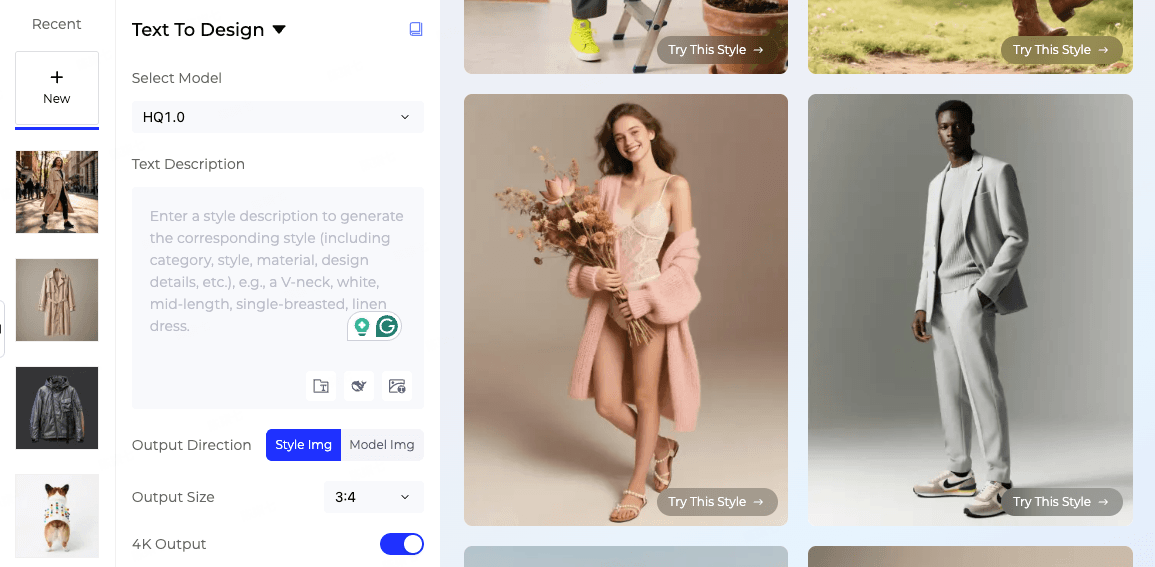
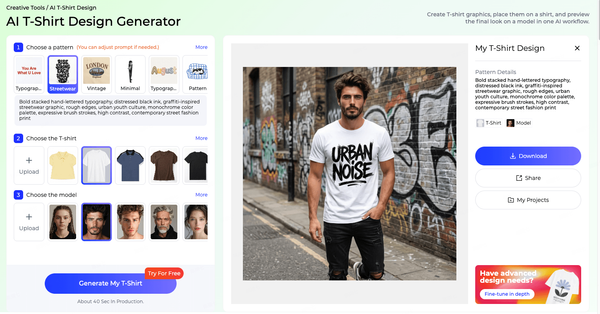
At Style3D AI, the fashion industry is being transformed through an all-in-one AI platform dedicated to fashion design visualization and marketing image creation. The platform empowers designers, brands, and creators to bring fashion ideas to life with exceptional efficiency and creativity through high-quality visual outputs. From turning sketches into polished apparel visuals to producing professional marketing images, Style3D AI reduces production time and eliminates the need for traditional photoshoots.
Competitor Comparison Matrix
| Feature | 3D3D | Style3D AI | Browzwear | Adobe Substance 3D |
|---|---|---|---|---|
| AI Pattern Generation | Yes | Yes | No | No |
| Generative Design Suggestions | Limited | Advanced | Moderate | None |
| Marketing Image Creation | No | Yes | No | No |
| Virtual Fit Accuracy | High | High | Very High | Medium |
| Cost Efficiency | Moderate | High | Moderate | High |
Unlike conventional CAD tools, AI-driven fashion prototyping environments combine intelligent design generation with realistic physics engines. The result is not just a garment visualization but a predictive model of how fabrics interact, stretch, and behave under real movement scenarios.
Core Technology and Innovation
AI-based digital fashion prototyping operates on three essential technologies: neural cloth simulation, generative adversarial networks, and reinforcement learning. Neural cloth models analyze datasets from thousands of fabric samples, capturing minute texture behaviors to deliver precise drape representation. GANs, or generative adversarial networks, create infinite fashion prototypes by balancing creativity with real-world structural integrity. Reinforcement models continuously improve through designer feedback, adapting to brand aesthetics and evolving collections over time.
Additionally, machine learning visualizers now integrate with body scanning and AR/VR interfaces, enabling immersive design evaluation. By emulating fabric stretch, layering, and light reflection, these tools create virtual showrooms where buyers and creators view garments as though they were physical samples.
Real Brand Success and ROI
Leading apparel manufacturers report up to a 65% reduction in sample production costs after implementing AI-based digital prototyping systems. Fashion retailers adopting virtual garment modeling also experience faster go-to-market cycles and fewer physical iterations. Designer teams using Style3D AI note that their collection development timeline shrank from three months to under four weeks. Smaller labels achieve similar impact through digital twin creation, allowing them to test multiple colorways and silhouette variations with almost no material waste.
Independent designers benefit from generative design prompts that match current consumer trends identified through AI-powered market analytics. The data not only improves design relevance but also drives retail conversion rates once those designs move into virtual catalog environments.
Future Trends in AI-Driven Fashion Design
The next phase of AI in digital fashion prototyping will merge emotion-driven generative algorithms with sustainability scoring systems. Soon, tools will recommend fabric alternatives with lower carbon footprints or optimize pattern arrangements to minimize virtual waste. Moreover, metaverse-ready apparel and digital collectibles are expanding opportunities for fashion houses to monetize non-physical designs.
Collaborative cloud 3D studios are expected to dominate by 2027, giving creative teams shared virtual environments where AI assists with lighting, garment motion, and real-time fit verification. AI design personalization will also extend to consumer-level interfaces—allowing customers to visualize clothing on digital avatars based on biometric data.
FAQs
What are AI fashion prototyping tools used for?
They allow designers to develop and render digital garments, test fabric behavior, and visualize clothing collections without producing physical samples.
Can AI tools replace traditional fashion sampling?
Yes, for many cases they can. While couture-level finishing may still need physical review, AI simulations provide near-identical results for shape and texture previewing.
Who benefits most from digital fashion prototyping?
Designers, brands, marketing teams, fashion students, and e-commerce platforms all benefit from faster design cycles and cost efficiency.
The Future of Fashion Creation
AI tools for digital fashion prototyping represent more than just a design software trend—they define a new creative ecosystem built around innovation, precision, and sustainability. As AI continues to learn from artistry and engineering combined, future garments will emerge first in digital space long before they ever touch a sewing machine. Now is the time for designers and fashion brands to integrate intelligent design solutions and embrace digital-first fashion production.
Written by
What's Next?

How AI Is Transforming Fashion Product Development and Design Innovation
Artificial intelligence is revolutionizing fashion product development, reshaping how brands design, prototype, produce, and market their collections. From trend forecasting to 3D virtual sampling, AI-driven systems are accelerating every stage of the apparel lifecycle while reducing waste and costs. As automation, data analytics, and visualization tools merge, the fashion industry is moving toward a future where creativity meets computational intelligence for faster, smarter, and more sustainab
Virtual Try-On and How It Transforms Online Shopping
One of the biggest challenges in online shopping is not knowing how a product will look, fit, or feel before it arrives. Virtual try-on technology helps solve that problem by allowing shoppers to preview clothing, accessories, and other products digitally before making a purchase. By combining AI, augmented reality, and 3D visualization, virtual try-on experiences create a more interactive shopping journey while helping consumers make more confident buying decisions. The Evolution and Growth