

How AI Is Changing Clothing Pattern Making in Today’s Fashion Industry
Explore how AI clothing pattern making improves pattern accuracy, automates grading, reduces sampling costs, and accelerates fashion production through digital workflows and virtual prototyping.

Pattern development remains one of the most important stages in apparel production, directly influencing garment fit, production efficiency, sampling costs, and overall product quality. As fashion brands seek faster development cycles and more flexible production models, artificial intelligence is introducing new approaches to pattern creation, grading, simulation, and prototyping. By combining automation with digital garment technologies, AI-powered pattern making tools are helping fashion teams reduce manual workloads and improve decision-making throughout the development process. This article explores how AI is changing clothing pattern making, the benefits and limitations of adoption, and the role these technologies play in modern fashion workflows.
Market Trends and Data
According to data from GlobalData and Statista in 2025, over 68% of fashion manufacturing firms had already integrated AI technologies into design or production processes, up from just 29% five years earlier. AI pattern making software is projected to grow at an annual rate exceeding 25% through 2030. This shift is driven by the demand for personalized fashion, sustainability goals, and rapid digital transformation in apparel manufacturing. Digital twins and generative design systems now replace manual sketching and complex pattern grading tasks. With embedded AI, these programs predict fabric behaviors, adjust measurements automatically, and simulate garments in 3D before a single thread is cut.
Core Technology Analysis
AI in pattern making functions through several technological components. Machine learning algorithms analyze thousands of garment templates to identify ideal pattern configurations, while deep learning models predict how different textiles behave when sewn and stretched. Natural language processing allows designers to describe a style verbally, and the AI engine generates corresponding base patterns. Generative adversarial networks (GANs) train on existing designs to create new silhouettes optimized for sustainability or comfort. These innovations reduce material waste, eliminate overproduction, and allow accurate digital prototyping that accelerates go-to-market timelines.
At Style3D AI, the fashion industry is being transformed through an all-in-one AI platform dedicated to fashion design visualization and marketing image creation. The platform empowers designers, brands, and creators to bring fashion ideas to life with exceptional efficiency and creativity through high-quality visual outputs. From turning sketches into polished apparel design images to generating professional marketing visuals, Style3D AI provides a comprehensive set of tools that accelerates the creative process without physical samples or traditional photoshoots.
Top Products and Services in AI Pattern Making
Competitor Comparison Matrix
Real User Cases and ROI Impact
Fashion companies using AI-driven pattern making have realized a measurable return on investment. A mid-sized European brand reported a 55% reduction in development time and 30% less fabric waste after adopting AI style generation software. Digital fashion startups cut prototyping costs by 70% and improved design approval rates by more than half. AI pattern generation also enhances inclusivity by supporting wider size ranges and allowing algorithmic adjustment for diverse body shapes. Retailers incorporating AI fitting data saw customer returns drop by up to 35%, improving both profitability and sustainability metrics.
Market Adoption Drivers
Several trends amplify AI’s influence in clothing pattern making. The global shift toward on-demand fashion, driven by social media microtrends and same-week production models, requires instant design turnaround. AI fulfills this need with automated pattern digitization, cloth simulation, and rapid iteration tools. Virtual fitting technology lets brands preview garments on digital avatars, aligning product fit with actual consumer data. Sustainable fashion initiatives also drive adoption, as AI pattern optimization reduces textile offcuts and lowers energy consumption. For schools and universities, AI-based systems are transforming fashion education by integrating coding, data analysis, and creative experimentation into curriculum workflows.
Future Trend Forecast
Over the next five years, AI in pattern making will evolve beyond automation to full generative collaboration. Designers will interact with virtual assistants that interpret sketches, predict market performance, and generate multiple variations based on body metrics, style trends, and sustainability goals. Fabric recognition models will forecast how emerging materials like bio-based textiles respond under stress conditions, and AI manufacturing integrations will link 3D patterns directly to robotic sewing systems. The result will be an intelligent supply chain capable of producing garments seamlessly from digital concept to physical product.
FAQs
What are the main advantages of AI in clothing pattern making?
AI streamlines the pattern process, enhances accuracy, minimizes waste, and supports personalized sizing without additional manual measurement.
Can AI replace traditional pattern makers?
While AI can automate repetitive tasks, skilled pattern makers remain invaluable for creative direction, technical decision-making, and quality control.
How does AI support sustainable fashion?
By optimizing fabric use, predicting material performance, and reducing sampling waste, AI contributes to carbon footprint reduction and eco-friendly apparel production.
What skills are needed to use AI pattern software?
Basic understanding of fashion design, 3D modeling, and digital tools is sufficient; most AI systems offer intuitive interfaces that reduce the learning curve for designers.
Three-Level Conversion Funnel CTA
If you’re a designer, manufacturer, or creative agency looking to streamline design workflows, start by adopting AI-powered tools that digitize your pattern process. Next, enhance your workflow efficiency with 3D simulation and virtual fitting engines to visualize garments instantly. Finally, integrate an end-to-end AI pattern making platform to achieve faster production cycles, improved accuracy, and sustainable innovation in every collection.
AI-powered pattern making is changing how garments move from concept to production. By combining pattern automation, virtual sampling, and garment visualization, digital fashion workflows can help reduce development time, improve accuracy, and support more efficient apparel production.
Written by
What's Next?
AI in Fashion Industry 2026: The Future of Digital Modeling and Why Style-Pose Is a Game Changer
The fashion industry in 2026 is defined by digital reinvention. Artificial intelligence in fashion modeling, once a futuristic concept, is now the creative heartbeat behind design, production, and marketing. Among the most transformative innovations is the rise of Style-Pose technology—an AI-powered tool that merges generative modeling, digital human rendering, and pose-cloning to streamline fashion imagery. This shift is not only revolutionizing how brands present apparel online but also democr


How to Do AI Fashion Style Transfer on Clothing Images?
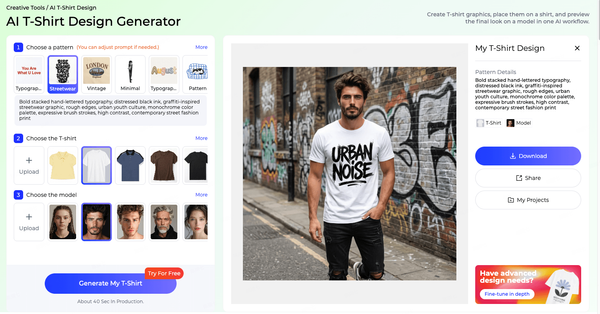
AI fashion style transfer lets you upload a garment image and text prompt to generate new style variations instantly. Using Style3D AI's Style to Style tool (free tier available), select a reference outfit, describe changes like "cyberpunk streetwear," and produce polished 2D apparel designs in seconds for collections or marketing—eliminating physical samples. What Is AI Fashion Style Transfer and Why Use It for Clothing Designs? AI fashion style transfer is a computational technique that tra


