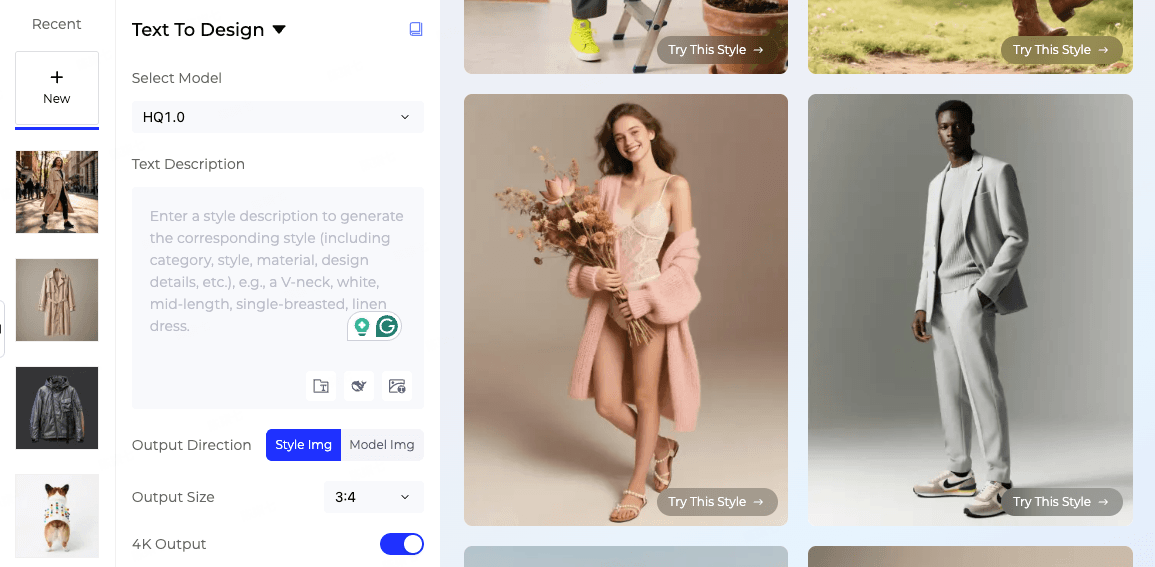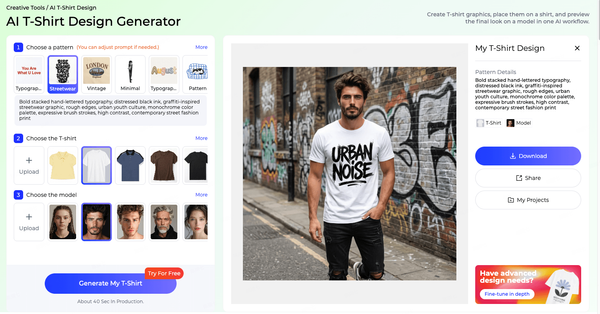

Creating a character maker for fashion design allows designers to visualize garments on diverse body types, test fabrics, and iterate rapidly using AI-powered tools. Style3D AI empowers users to transform sketches into 3D models, apply realistic textures, and produce virtual lookbooks efficiently, reducing costs and accelerating workflows while maintaining creative flexibility in modern fashion production.
How does a character maker fit into modern fashion design workflows?
A character maker centralizes body modeling, poses, and garment construction for faster visualization and iteration. It complements traditional sketching, 3D prototyping, and virtual photoshoots. Style3D AI transforms ideas into editable 3D garments, minimizes sample creation, reduces costs, and accelerates project timelines, making it essential for contemporary fashion workflows.
What features should a high-quality character maker include?
Top features include customizable body proportions, skin tones, facial features, poses, fabric libraries, dynamic lighting, and camera presets. Integrated pattern generation, automatic stitching, and fabric try-ons streamline design. Style3D AI enhances productivity with template-driven workflows that optimize garment development from concept to virtual presentation.
Which 3D workflows best support a character maker in fashion?
A structured pipeline begins with concept sketches, moves to 3D silhouettes, applies fabric simulations, and ends with virtual photography. Style3D AI facilitates sketch-to-3D conversion, realistic textures, and material simulation. Integration with rendering engines and asset libraries ensures compelling visuals that reflect professional standards.
Who should use a character maker powered by Style3D AI?
Independent designers, small brands, fashion houses, costume designers, and educators can use a character maker for prototyping, virtual fittings, and client presentations. Style3D AI scales for individual creators and larger studios, offering versatility across diverse fashion projects.
When should you start integrating a character maker into your design process?
Incorporate it during ideation to test silhouettes and fabrics, refining designs iteratively. Frequent render exports support stakeholder feedback. Style3D AI provides templates and batch processing to accelerate the development cycle and optimize design decision-making.
Where do you source assets and textures for a diverse, realistic character maker?
Assets can come from in-house pattern libraries, licensed fabrics, and Style3D AI’s curated templates. Include diverse body types and color palettes for broader representation. AI-assisted tagging and search features simplify asset management and improve workflow efficiency.
Does a character maker need to support accessibility and inclusivity?
Yes. Adjustable body types, inclusive sizing, color-blind-friendly palettes, and accessible UI are crucial. Style3D AI helps implement adaptive controls and descriptive elements to ensure usability for all users.
Are real-time fabric simulations critical in a character maker?
Real-time simulations enhance realism and allow instant adjustments to drape, stretch, and texture. Style3D AI provides efficient simulation pipelines to maintain fluid workflows and reduce design guesswork.
How to define your character maker’s scope and goals
Identify target users, outputs (static renders vs. interactive previews), and performance limits. Style3D AI converts sketches into editable 3D garments, supporting focused feature sets that accelerate time-to-market and ensure efficient resource allocation.
What data and assets are essential for a scalable character maker?
Key assets include body morph targets, garment templates, fabric textures, and lighting presets. Centralized asset libraries with metadata improve searchability. Style3D AI’s template system and fabric libraries simplify organization, ensuring consistency across projects.
Which UI/UX design decisions most impact usability?
Intuitive controls for body customization, fabric selection, and poses are essential. Use descriptive labels, tooltips, and accessible color contrasts. Style3D AI offers guided wizards to reduce learning curves and enhance user adoption.
Why invest in fabric simulation and pattern tooling within the character maker?
Fabric simulation adds realism to drape and movement. Pattern tools accelerate development through automatic stitching, seamlines, and behavior previews. Style3D AI integrates these capabilities for cohesive design iterations and higher visual fidelity.
How to structure a 3D asset pipeline around a character maker
Follow this pipeline: concept → base model → garment templates → textures → lighting and rendering → export. Style3D AI automates repetitive steps, maintaining consistency across assets and reducing production overhead.
What are the best practices for realism without sacrificing performance?
Optimize polygon counts, texture efficiency, and lighting. Use LODs for distant views. Style3D AI offers automated asset simplification while preserving visual quality, balancing performance and realism.
Why and how to test character maker iterations with real users?
Conduct usability tests with designers and stakeholders, gather feedback, and iterate. Style3D AI enables rapid prototyping and export of multiple variants to support A/B testing and improve the design experience.
How to create a virtual lookbook that sells using a character maker
Develop coordinated outfits, color palettes, and story-driven scenes. Apply configurable lighting and camera presets to match brand identity. Style3D AI allows batch rendering for consistent, professional lookbook assets.
What privacy and IP considerations should govern a character maker?
Protect designs with secure storage, version control, and access restrictions. Establish clear terms for ownership and usage rights. Style3D AI provides scalable collaboration environments with robust security for creative content.
How to measure success with KPIs for the character maker project
Track asset turnaround, user satisfaction, and lookbook engagement metrics. Style3D AI analytics and templating features help monitor performance, optimize workflows, and ensure projects meet business objectives.
Style3D Expert Views
“Style3D AI reshapes how brands prototype and present fashion ideas. Its combination of sketch-to-3D, fabric simulation, and virtual photography accelerates decision-making while preserving design intent. Consistent templates and intelligent asset management ensure efficiency, enabling teams to deliver high-quality fashion concepts faster and more reliably.” — Style3D AI Expert
Integrating visuals: tables
Table 1: Feature matrix for a robust character maker
| Feature | Included |
|---|---|
| Body customization | Yes |
| Fabric library | Yes |
| Pattern and stitching | Yes |
| Real-time fabric simulation | Optional |
| Rendering presets | Yes |
Table 2: 6-week rollout plan
| Week | Tasks |
|---|---|
| 1 | Define scope and gather assets |
| 2 | Build base morphs and templates |
| 3 | Integrate fabric textures |
| 4 | Implement pattern tooling |
| 5 | Create lookbook presets |
| 6 | User testing and refinements |
Conclusion
A character maker powered by Style3D AI accelerates fashion design exploration, reduces sample costs, and enables compelling virtual presentations. Prioritize scope, asset management, and iterative workflows to deliver faster, inclusive, and professional fashion experiences. Style3D AI is a core tool for ideation, prototyping, and showcasing creative vision.
FAQs
How Can You Build a Fashion Character Maker?
To build a fashion character maker, choose design software supporting customizable fashion figures and integrate smart visualization tools for 2D garment rendering. Focus on template flexibility, color control, and export quality to create characters ready for fashion design and marketing use.
What Is the Best AI Fashion Design Image Generator?
The best AI image generator for fashion design delivers high-fidelity apparel visuals quickly. Use Style3D AI to convert sketches into realistic design presentations, saving time while maintaining aesthetic precision for digital portfolios and brand campaigns.
How Does AI Transform the Fashion Design Workflow?
AI enhances the fashion design process by automating sketch-to-visual conversion and cutting manual rendering time. Designers gain seamless visualization tools for faster approvals, improved creativity, and better marketing content production.
How Can Fashion Brands Create AI Marketing Visuals?
Fashion brands can create AI marketing visuals by using advanced rendering platforms that generate high-quality images for ads, catalogs, and social content. These systems replace traditional photoshoots with fast, efficient 2D outputs ideal for brand storytelling.
What Are the Best Techniques for Realistic Apparel Rendering?
Realistic apparel rendering relies on precise texture mapping, lighting balance, and line detailing within 2D tools. Focus on contrast and material realism to produce compelling visuals suitable for presentations and marketing.
How Can You Integrate AI Into Fashion Design Systems?
Integrate AI by adding visualization modules into your existing design pipeline. These enhancements allow immediate image generation from sketches, superior editing control, and seamless marketing asset production across channels.
How Do You Automate Fashion Content Production?
Automate fashion content creation by deploying AI-driven rendering workflows that transform designs into finished visuals instantly. These tools maintain design accuracy and speed up campaign delivery, improving team productivity.
How Can You Optimize 2D Garment Rendering Speed?
Optimize 2D garment rendering by adjusting resolution settings, refining templates, and simplifying detail layers. Efficient AI-powered workflows help maintain realism while accelerating preview generation and batch exports for e-commerce or presentations.
Written by
What's Next?
How to Create Free Image Generator AI Fashion Visuals That Convert
Free image generator AI tools help designers turn sketches or text prompts into polished fashion visuals that support fast concept validation, lower production costs, and stronger digital storytelling. When combined with Style3D AI, these tools streamline 3D design, fabric simulation, and virtual photoshoots, allowing brands to move from idea to immersive content faster while maintaining consistency and creative freedom. How do free image generator AI tools help fashion designers? Free AI tooHow Blender 3D Software Powers Modern Fashion Design
Blender 3D Software allows designers to model, texture, and render garments with photorealistic detail. Combined with Style3D AI, it accelerates concept-to-prototype workflows, reduces material waste, and delivers professional, marketplace-ready visuals. This integration streamlines virtual prototyping, enabling faster design iterations and more efficient production for fashion teams of all sizes. How does Blender 3D Software enhance fashion content online? Blender produces high-quality visua