The bride approves the design from a rendering — soft light, perfect drape, the gown she has been quietly picturing for years. Months later, a real dress arrives, and it is a good dress by any objective measure, but it is not the image. Now begins the most expensive conversation in made-to-order: her "that's not what I approved" against your "that's exactly what we made." Both are telling the truth as they honestly remember it. The tragedy is that no image exists that can settle which truth applies, because the only image either side has was built to sell, not to testify.
Made-to-order runs on images at two moments — winning the commitment and confirming the delivery — and those two moments need opposite kinds of pictures. The proposal image persuades; the acceptance record verifies. Custom work goes wrong, reliably, when one image is asked to do both jobs.
Two Images, Two Jobs
The proposal image answers the question "do I want this?" It shows the design at its most legible and most beautiful: the silhouette resolved, the fabric glowing, the mood complete. Beauty is not a vice here — it is the function. A proposal image that fails to move the client has failed at its only job.
The acceptance record answers a different question: "is this what was agreed?" It exists for the moment of delivery — or the moment of dispute — and its virtues are the opposite of persuasive. Neutral light, honest angles, color references in frame, construction details documented. The record is not trying to be loved; it is trying to be checkable.
The two jobs diverge because their audiences differ. The proposal speaks to desire, which responds to atmosphere. The record speaks to memory and disagreement, which respond only to evidence. An image optimized for one audience is corrupted for the other — a persuasive record is untrustworthy, a checkable proposal is unsellable.
Teams resist this split because it feels like redundancy: why build two image sets when one beautiful set already exists? The answer is that the two sets are built at different moments for different futures. The proposal is built before the agreement, for the decision. The record is built at the agreement, for the delivery — a future in which the beautiful image has become the problem it cannot solve.
Proposal image | Acceptance record | |
Question answered | Do I want this? | Is this what was agreed? |
Lighting | Atmospheric, flattering | Neutral, revealing |
Color | Mood-graded | Referenced against a standard |
Audience | Desire | Memory and dispute |
Failure mode | Beautiful but vague | Accurate but unloved |
Why the Proposal Image Cannot Testify
The temptation to reuse the proposal image at acceptance time is strong — it is the image the client remembers approving, so it feels like the natural yardstick. But watch what it cannot do. Its lighting was chosen for glow, so the delivered dress's true color cannot be compared against it. Its drape was rendered or styled for perfection, so the real fabric's behavior has no baseline. Its details were suggested rather than documented, so "the beading looked denser in the picture" has no answer.
Every one of those gaps is a dispute the image cannot settle, and unsettleable disputes in made-to-order resolve against whoever made the dress, because the client's memory of the beautiful image is the only reference left standing. The proposal image does not just fail to protect you at acceptance — it actively testifies for the other side, holding the delivery to a standard of perfection no physical garment meets in neutral light.
What an Acceptance Record Must Contain
A record that can settle disputes is built at the moment of agreement, not retrofitted at the moment of conflict. It documents the approved design the way a contract documents terms: front, side, and back in neutral light; a color reference — a physical swatch or a standard target — photographed in the same frame as the design; the specific details that clients remember and contest, close enough to be counted; and the measurements that define fit for this client's body.
Two properties make it work. First, it is boring: nothing in the record flatters, because flattery is exactly what cannot be checked later. Second, it is acknowledged: the client confirms, in writing, that this record — not the mood imagery — defines what was approved. That confirmation is the load-bearing step, because it moves the yardstick from her memory of a beautiful image to a document both parties hold.
Where Generated Visuals Fit — and Where They Must Not
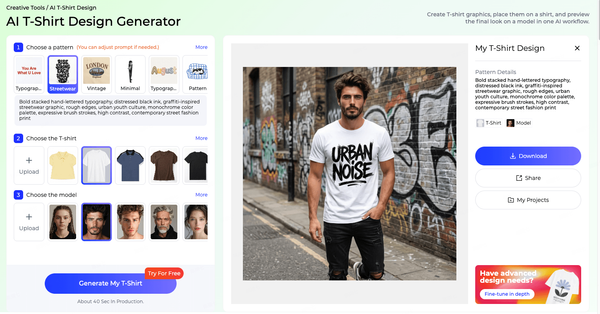
Generated imagery is genuinely valuable on the proposal side of the line. It lets a client see her choices — this neckline, that skirt, these sleeves — assembled into a coherent picture before anything is cut, which is the entire premise of designing a wedding dress online. Iterating on the visual is how the design conversation converges, and tools like Style3D AI make the iteration cheap enough to do properly, across many variations, until the client stops saying "almost."
The discipline is keeping generation on that side. A generated image is a visualization of intent, and it must never silently become the acceptance record — it was built to be persuasive, and persuasive images make terrible witnesses. The record side belongs to documentation of what was agreed in terms a physical dress can be checked against. Even the at-home preview step, where trying the dress at home before committing helps the client confirm direction, is a confidence tool — it feeds the decision, and then the record captures the decision in checkable form.
The Two-Moment Protocol
Put together, the protocol is a timeline with two image disciplines. At the design stage: generate and iterate proposal visuals freely, let beauty do its work, converge on a direction. At the approval moment: freeze the direction into an acceptance record — neutral documentation, references in frame, written confirmation that this document defines the agreement. At delivery: photograph the finished dress under the same neutral discipline as the record, so the comparison is apples to apples.
Disputes shrink dramatically under this protocol for a structural reason: you have replaced "the dress versus her memory of a beautiful rendering" with "the delivery photo versus the record photo," and two boring photos of the same dress agree with each other almost every time. The remaining disagreements are specific — this seam, that measurement — and specific disagreements have answers.
Notice what the protocol does not require: any change to how the dress is made. The making was never the weak link. The weak link was the evidence chain between what was imagined, what was agreed, and what arrived — and evidence chains are repaired with documents, not with better sewing.
The Conversation That Prevents the Dispute
One habit ties the protocol together: telling the client, explicitly, what each image is for. "These renderings are how we explore and decide together — the approval document is what we'll both hold the dress to." Clients accept this readily when it is said early, because it protects them too; it is only when the distinction surfaces at the dispute that it sounds like an excuse.
That conversation also disciplines your own team. Once the two roles are named aloud, nobody attaches the mood render to the production ticket, and nobody sends the client raw documentation as a sales tool. The images stay in their lanes because everyone, on both sides of the counter, knows the lanes exist — and knows that crossing them is what creates the dispute neither side can win.
FAQ
Does a written contract make the acceptance record unnecessary?
The contract describes; the record shows. "Scalloped lace hem" means different scallops to different people, and the photo of the approved hem settles what the words pointed at. Contract and record are complements, not substitutes.
Can the proposal rendering be included in the approval package?
Yes, labeled honestly as the visualization of intent — it documents what the client fell in love with. The label is the protection: it keeps the render from being promoted, later, into the standard the dress is measured against.
What if the client wants changes after approving the record?
Changes after approval are a new agreement, and they get their own updated record with a new confirmation. The record system only works if it is the single current truth — one version, acknowledged, replacing the last.
Should the delivery photos be taken by us or the client?
By you, under the same neutral discipline as the record, before the dress leaves your hands. Client photos in bedroom lighting reintroduce every variable the record exists to eliminate.
Do custom garments outside bridal need the same split?
Any made-to-order work with a gap between approval and delivery has the same two moments — suits, costumes, bespoke anything. Bridal is simply where the emotional stakes make the confusion most expensive.
What if the delivered dress genuinely doesn't match the record?
Then the record did its job — it made the mismatch specific and checkable instead of vibes against vibes. A documented miss is a remake decision; an undocumented one is a relationship-ending argument.
Where this leaves you
Made-to-order needs images at two moments, and the moments want opposite virtues: the proposal image persuades, the acceptance record verifies. Never let the persuasive image testify — it will hold the real dress to a standard of light no garment survives. Build the record at the approval moment, get it acknowledged, and delivery becomes a comparison of two honest photos instead of a war between a dress and a memory.
Separate Your Sales Visuals From Your Acceptance Records This Season
Map your custom process to the two moments: generated visuals for exploring and winning the commitment, a documented record for defining it, and delivery photos shot under the same neutral discipline. Use Style3D AI for the exploration side — iterate designs with the client across every variation she wants to see, until the direction is loved — then freeze the approval into a checkable, acknowledged record neither side can misremember: https://www.style3d.ai/ai-fashion-design/fashion-design-variations
Written by