
The discovery is always the same: a teammate scrolling a marketplace, a reverse image search out of curiosity, and there it is — your photo, your model, your styling, selling someone else's product. The first instinct is to fire off an angry message. The second is to call a lawyer. Both instincts are understandable, and both skip the steps that make everything afterward work. Stolen image cases are won or lost in the first forty-eight hours, not because the law moves that fast, but because evidence and bargaining position are perishable.
What follows is the response order that actually resolves these cases — not the order that feels most satisfying, but the one that preserves your options at each step and spends escalation where it produces results.
Step One: Document Before You Touch Anything
The thief's listing can change at any moment — and it will, the moment they sense attention. Before you send any message, file any complaint, or tell anyone outside the team, freeze the scene. Capture the infringing listing completely: full-page screenshots with the URL visible, the seller's identity as displayed, the date, every stolen image at full resolution. Capture your side too: the original files with their creation data, your own listing's publication history, the shoot records.
This step feels like bureaucratic delay when emotions are high. It is actually the entire foundation. Every later channel — platform complaint, formal notice, legal escalation — runs on evidence, and the evidence is never better than what you captured in the first hours. A screenshot taken after the thief swaps the image proves nothing. Teams that maintain provenance records that document the chain start this step already half-finished: the ownership trail exists before the dispute does.
There is a second reason documentation comes first that nobody mentions in the moment: you are also documenting for yourself. Six weeks later, when the platform asks which images exactly, or the compliance advisor asks when your version first appeared, the answers live in what you captured at discovery — not in anyone's memory of an angry afternoon. The kit you build in the first hours is the only version of the story that stays fixed while everything else moves.
Step Two: Use the Platform's Own Machinery
Whatever channel the theft happened on, that channel has the fastest and cheapest enforcement available to you — its own. Marketplaces and social platforms process image-theft complaints through built-in reporting systems, and those systems work on the evidence you gathered in step one: your original files, your publication history, the side-by-side. A well-documented platform report resolves a striking share of cases within days, with no letters, no invoices, no escalation.
Two disciplines make platform channels work. The first is completeness: a complaint that arrives with originals, dates, and a clear mapping of which images are stolen gets acted on; an angry paragraph gets a form reply. The second is patience with the process you chose: filing the same complaint through five channels simultaneously feels thorough and mostly generates confusion. Run the platform's process first, document what you filed and when, and let the machinery either work or fail cleanly — because a documented failure is exactly what the next step needs.
Keep in mind what the platform is optimizing for, because it is not justice. The platform wants duplicate-seller disputes resolved cheaply and wants its own marketplace clean — both of which align with you only when your complaint is easy to act on. You are not persuading a judge; you are feeding a queue. The complainers who get results write for the queue: short, complete, mapped, verifiable. The ones who write for the judge get routed to the form letter.
Step Three: Escalate Deliberately, Not Emotionally
When the platform route fails or the theft sits outside any platform — a standalone site, an overseas operation — the escalation ladder begins, and this is where judgment matters more than ever. The ladder runs from direct contact with the infringer, through formal notice channels, to legal action, and each rung costs an order of magnitude more than the last. The question at every rung is the same: is the damage from these specific images worth the rung's price?
That calculation is brutally practical. A competitor using your hero image on a listing that outranks yours is real damage, worth real escalation. A scraper site using your image on a page nobody visits is noise, and the expensive rungs of the ladder are reserved for damage, not principle. The legal rungs in particular are not a DIY project: the rules differ market by market, the strength of your position depends on your documentation and registration status, and the right guide is whoever owns compliance for your business. What what marking actually buys before the fact teaches about deterrence applies here too — most of the winning happens before the courtroom is even a topic.
Step Four: Rebuild So the Theft Stops Mattering
Here is the step nobody puts in the plan, and it is the one that outlasts every complaint: make the stolen images obsolete. A takedown removes one copy from one listing; the scraper's pipeline finds another victim tomorrow. But a catalog that moves — new imagery, new angles, a visual identity the market learns to recognize as yours — makes every stolen frame a dated artifact advertising a store the thief does not control.
This is also the emotionally corrective step, because it converts the theft from an ongoing wound into a forcing function. The teams that come out of image-theft episodes strongest treat the discovery as an audit finding: the stolen images were the interchangeable ones, the ones worth stealing precisely because they could pass as anyone's. The rebuild answers the root cause.
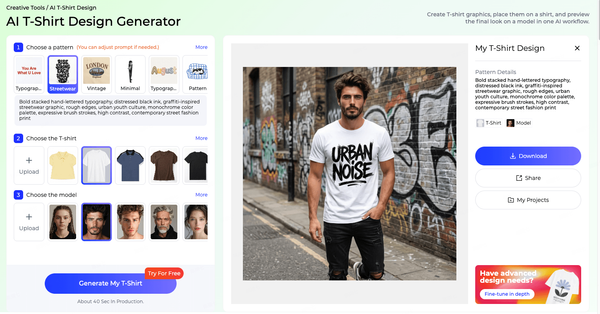
There is also a quiet commercial logic to rebuilding fast. While the takedown request crawls through a queue, the thief's listing keeps selling against your stale imagery — and every week your real store still shows the same frames is a week the stolen copies look current. Refreshing your own imagery does what no complaint can: it immediately separates your live store from the frozen copy, in the only court that runs twenty-four hours a day, which is the shopper's eye. When the pipeline can rebuild the set as imagery they cannot use — consistent model, consistent visual language, recognizable at a glance — the next scraper steals marketing material for your store instead of inventory for theirs. Style3D AI applies that consistency across the whole set, which is what turns "rebuild everything" from a quarter-long project into a pipeline run.
The Standing Preparation That Changes Everything
Every step above runs faster when the preparation exists before the theft. The evidence kit — original files archived with metadata, publication dates documented, shoot records kept — turns step one from a scramble into a folder. The platform familiarity — knowing where each channel you sell on takes image complaints — turns step two from research into filing. The escalation criteria — a one-line rule for what damage level justifies which rung — turns step three from an emotional meeting into a lookup.
None of this is paranoia; it is the ordinary cost of operating a catalog whose images are worth stealing, which is to say a catalog that is doing its job. Theft is a tax on good imagery, and like most taxes, it is cheaper with records. Build the kit once, and the next discovery is a process instead of a crisis.
FAQ
What is the very first thing to do when I find my photos stolen?
Document everything before contacting anyone: full screenshots with URLs and dates, the seller's displayed identity, and your own originals with creation data and publication history. The listing can change the moment the thief senses attention, and evidence captured late proves little.
Should I contact the thief directly first?
Usually no — direct contact tips them off before your evidence is frozen and can start a clock you are not ready for. Document first, then run the platform's reporting channel; direct contact belongs on the escalation ladder, at a rung you chose deliberately.
Do platform takedown reports actually work?
A well-documented one often does, and it is the fastest, cheapest channel available. Completeness is the whole game: originals, dates, and a clear image-by-image mapping get acted on; angry paragraphs get form replies.
When is legal escalation worth it?
When the damage is specific and material — a competitor using your images on listings that compete directly with yours — and the platform route has failed cleanly with documentation. The rules differ market by market, so route the decision through whoever owns compliance.
How do I prove the images are mine?
Original files with intact metadata, publication history on your own channels, shoot records, and — if you maintain them — provenance credentials that document the chain automatically. The common thread: ownership evidence built before the dispute is worth far more than evidence assembled after.
How do I stop it from happening again?
You cannot stop copying, but you can make copies worthless: imagery so recognizably yours — consistent model, consistent visual language — that a stolen frame advertises your store instead of stocking theirs. Rebuilding for specificity outlasts every takedown.
Where this leaves you
Stolen photos are resolved in an order, and the order is the strategy: document before touching anything, run the platform's machinery with complete evidence, escalate by damage rather than anger, and rebuild so the theft stops mattering. The teams that handle this well are not the ones with the fiercest letters — they are the ones whose evidence kit existed before the discovery and whose imagery was too specific to keep. Prepare once, respond in order, rebuild always.
Freeze the Evidence, Then Rebuild the Set
Capture the infringing listing and your own originals before you contact anyone about it, and file the platform complaint with complete, mapped evidence — then make the stolen frames obsolete: rebuild your whole catalog with one consistent model and one recognizable visual language using Style3D AI, so the next copy anyone steals quietly advertises your store instead of stocking theirs, season after season: https://www.style3d.ai/ai-photoshoot/ai-model-photoshoot
Written by