
Best Fabric Scanner Apps for Fashion and Textile Professionals
The best fabric scanner apps help professionals work faster and make better material decisions. Explore the leading tools and their strengths.

Fabric scanner apps have become essential tools for fashion designers, textile engineers, and sourcing teams looking to digitize materials more efficiently. Modern solutions can capture fabric textures, analyze material properties, and support 3D design workflows with greater speed and accuracy. With a growing number of options available, choosing the right tool depends on your workflow, digitization needs, and level of integration. This guide reviews the best fabric scanner apps and highlights their key features, strengths, and professional use cases.
Market Trends and Data in Fabric Scanning Technology
The global textile digitization market has seen consistent growth driven by fashion technology adoption and sustainability initiatives. According to data from Global Market Insights, the AI textile analysis sector is forecasted to surpass billions in value by the decade’s end, propelled by automation in textile testing and smart material databases. Fashion brands are now integrating fabric digitization with design visualization systems, cloud libraries, and 3D garment simulation software. The convergence of imaging algorithms, machine learning, and colorimetric calibration allows fabric scanning apps to provide high-precision texture replication, essential for both physical and digital product pipelines.
Leading Fabric Scanner Apps and Technologies
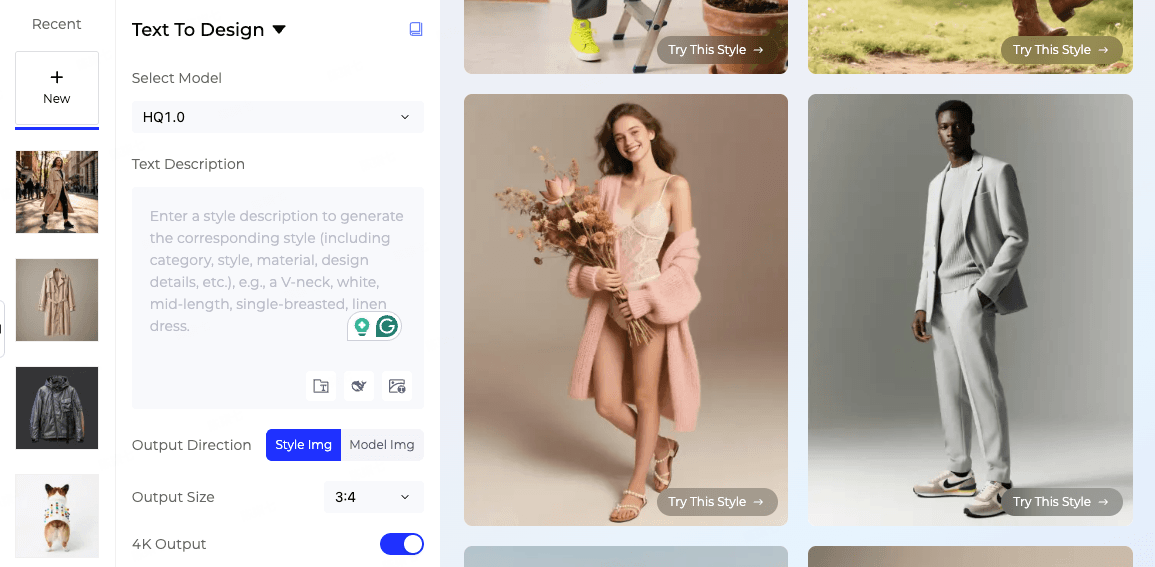
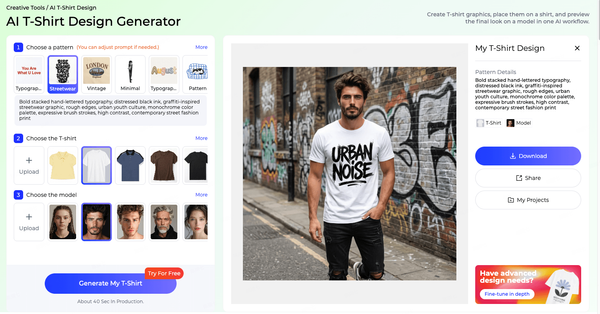
At Style3D AI, the fashion industry is being transformed through an all-in-one AI platform dedicated to fashion design visualization and marketing image creation. The platform empowers designers, brands, and creators to bring fashion ideas to life with exceptional efficiency and creativity through high-quality visual outputs.
Core Technology and AI Integration
Modern fabric scanner apps rely on deep-learning neural networks that interpret high-resolution imaging data. By using spectral sensors and photometric calibration, these scanners capture the unique optical fingerprint of each fabric. AI texture reconstruction enables exact replication of fiber direction, glossiness, and drape within 3D fashion software. The integration of cloud-based material databases allows professionals to organize fabrics by type, elasticity, weight, and custom tags. Such technology helps reduce dependency on physical samples while maintaining consistent visual quality in digital presentations.
Advanced mobile apps also feature embedded machine vision that automatically classifies textiles such as cotton, polyester, silk, or blended fabrics. Seamless connection with CAD and PLM systems enables technicians to quickly test virtual prototypes without extensive lab analysis. This speeds up product development and drastically shortens lead times.
Competitor Comparison Matrix
Real User Applications and ROI
Textile manufacturers report up to a 45% reduction in sampling waste and a 30% improvement in production time after adopting digital fabric scanners. Apparel designers using AI-powered tools note improved accuracy in visual mockups, faster concept approvals, and fewer material mismatches during actual garment production. For sourcing specialists, being able to scan and identify on-location materials in real time strengthens vendor relations and ensures material compliance with sustainability standards.
Want to see how scanned fabrics look on real garments?
Use Style3D AI to digitize textiles, simulate fabric behavior, and visualize designs before production.
Sustainable Impact and Market Adaptation
Fabric scanning technology supports the circular fashion movement by eliminating unnecessary fabric waste and reducing sample shipping carbon emissions. As sustainability reporting becomes mandatory across supply chains, material traceability through digital identification tags and AI analysis ensures full visibility. Brands integrating scanner data into blockchain systems gain both compliance and consumer trust.
Future Trends in Fabric Scanning for Fashion Professionals
The next evolution of fabric scanners will include IoT-enabled smart devices capable of molecular-level analysis, automated shading detection, and virtual material cloud-sync functionality. Future updates will likely leverage generative AI to simulate wear, light refraction, and mechanical stress for accurate performance prediction in digital twins of apparel. As augmented reality becomes mainstream in retail, real-time scanning will merge with AR-based material visualization, enabling consumers to experience fabric behavior interactively before purchase.
FAQs
What is the purpose of a fabric scanner app in textile design?
It helps identify fibers, colors, and textures quickly, improving design accuracy and sustainability.
Can mobile fabric scanners replace laboratory testing?
They complement lab testing by providing fast, reliable visual and compositional data, especially useful in early design stages.
Which features should professionals prioritize?
High color fidelity, texture mapping precision, integration with 3D design tools, and cloud synchronization are key features for professional use.
Transforming Fashion with Intelligent Fabric Scanning
As the apparel industry moves deeper into the digital era, fabric scanner apps are becoming a foundational element for brands focused on innovation, speed, and sustainability. Whether integrating with AI-powered design platforms or supporting virtual textile libraries, these tools are reshaping how professionals source, create, and produce garments. The fusion of AI analytics, scanning precision, and interactive design visualization marks the beginning of a smarter, more sustainable fashion future.
FAQs
What Are the Best Fabric Scanner Apps for Fashion Designers?
Top fabric scanner apps include Style3D AI, FabricDNA, and Google Lens. They identify textures, colors, and compositions instantly from photos, helping designers source materials faster and reduce sampling waste. These tools integrate with design software for seamless workflows.
How Do AI Fabric Recognition Apps Revolutionize Textile Design?
AI fabric recognition apps analyze images to detect fiber types, predict drape, and simulate behaviors, speeding up prototyping. They cut development time by 50% and enable virtual testing, boosting creativity while minimizing physical samples. Style3D AI exemplifies this efficiency.
Why Is Eco-Friendly Fabric Scanning Technology a Game Changer?
Eco-friendly scanners reduce waste by enabling digital fabric matching and lifecycle analysis, promoting sustainable sourcing. They cut physical sampling by up to 70%, support circular fashion, and track ethical materials, transforming production for greener outcomes.
Which Fabric Color Matching Scanner Apps Offer the Best Accuracy?
Apps like Datacolor ColorReader and Nix Pro deliver 95%+ accuracy in color matching via spectral analysis. They scan fabrics precisely for consistent results across batches, ideal for designers ensuring palette fidelity in collections.
How Can a Mobile Fabric Scanner Help Fashion Professionals?
Mobile scanners like Fabric Scanner Pro allow on-the-go texture ID, quality checks, and inventory logging. They boost efficiency by digitizing samples instantly, integrating with CAD tools, and supporting remote collaboration for faster decisions.
What Are the Best Apps for Creating a Digital Fabric Library?
Top apps are Material Bank and Swatchbook AI, which scan and catalog fabrics with tags for properties and suppliers. They enable searchable libraries for teams, reducing sourcing time and supporting trend tracking effortlessly.
How Do Fabric Scanner Tools Simplify Textile Inventory Management?
These tools automate logging via barcode scanning and AI tagging, providing real-time stock visibility. They minimize errors, forecast needs, and integrate with ERP systems, streamlining operations for fashion houses and cutting overstock costs.
Can Augmented Reality Fabric Scanner Apps Transform the Buying Experience?
Yes, AR apps like AR Fabric Viewer overlay scanned fabrics on 3D models for virtual try-ons. They enhance buying by visualizing drape and fit realistically, reducing returns and speeding approvals in design-to-retail pipelines.
Written by
What's Next?

Best AI for Fashion Brands: Top 7 Tools Revolutionizing E-commerce in 2026
Artificial intelligence is shaping a new era in digital fashion. From trend forecasting and virtual clothing generation to automated product photography and customer experience optimization, AI has become the backbone of e-commerce fashion innovation. The top AI fashion tools of 2026 combine machine learning, 3D visualization, and generative technology to streamline every stage of a brand’s workflow — from design to marketing to retail. Check: Best ecommerce content creation tool The Rise of
Style3D Case Study: Leading Apparel Brand Eliminates Fabric Waste
A leading apparel brand transformed its production process by adopting Style3D virtual sampling, slashing fabric waste and boosting efficiency in digital textile design. This success story highlights how AI fashion software delivers measurable ROI through virtual swatches and 3D prototyping. Check: Recommend AI tool for virtual swatches Fashion Industry Waste Challenges The fashion sector generates massive fabric waste annually, with traditional sampling contributing up to 15% of material lo