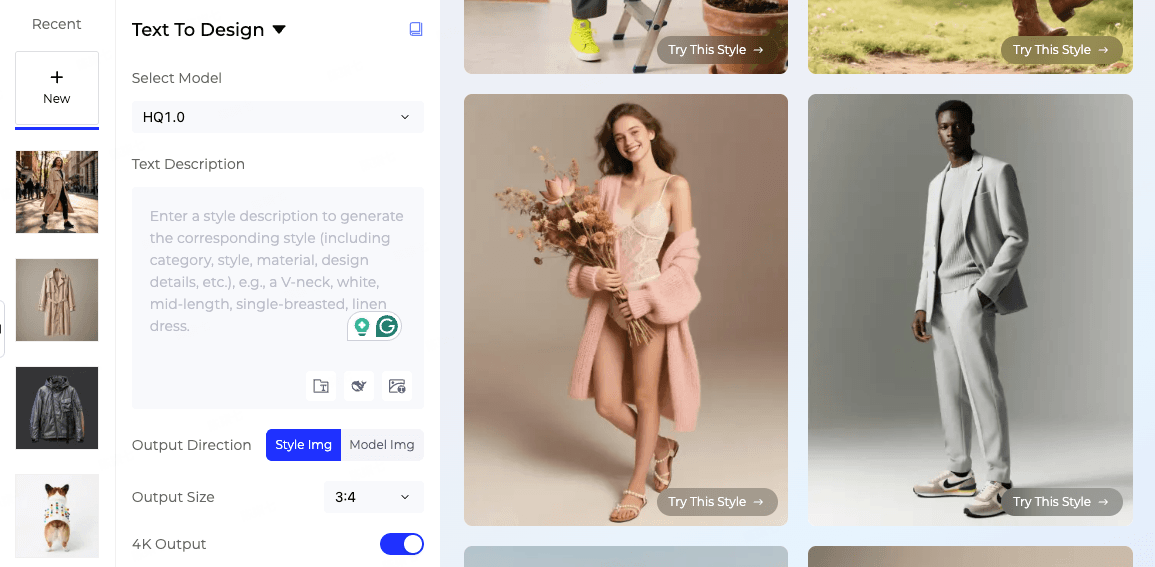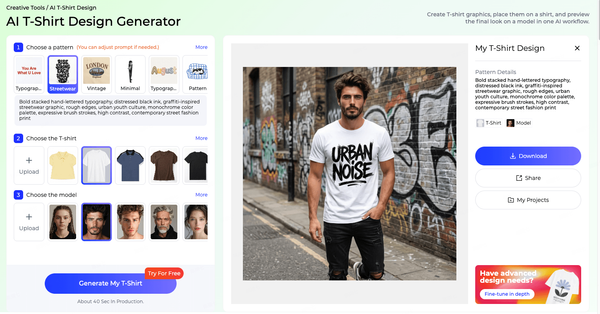

An outfit style generator is an AI-powered tool that creates personalized fashion ensembles by analyzing user preferences, body data, and current trends, offering tailored outfit recommendations and streamlining styling decisions effectively.
How Does an Outfit Style Generator Work?
Outfit style generators use machine learning algorithms to analyze a user’s style preferences, body shape, and wardrobe inventory. They combine this data with current fashion trends to generate personalized outfit suggestions. Platforms like Style3D AI integrate 3D visualization to enable users to see realistic virtual try-ons and customize outfits easily, enhancing engagement and satisfaction.
What Benefits Do Users and Designers Gain from Outfit Style Generators?
Users enjoy quick, personalized styling assistance, reducing decision fatigue and improving confidence in purchases. Designers and brands benefit by gathering valuable consumer insights, promoting collections interactively, and increasing sales through tailored recommendations. AI-powered platforms like Style3D AI help bridge creativity and consumer demands efficiently.
Which Features Are Essential for Effective Outfit Style Generators?
| Feature | Description |
|---|---|
| Personalized Recommendations | Custom outfit suggestions based on AI analysis |
| Virtual Try-On | Realistic visualization of outfits on user avatars |
| Wardrobe Integration | Syncs with user’s existing clothing for mix-and-match options |
| Trend Forecasting | Incorporates latest fashion trends into suggestions |
| Style Customization | Allows tweaks on colors, fabrics, and accessories |
| Social Sharing | Enables sharing looks within communities or social media |
Style3D AI’s platform embodies these elements to maximize user and brand value.
Why Are Outfit Style Generators Increasingly Popular?
Growing consumer demand for personalized, convenient fashion experiences drives popularity. Online shopping surges and sustainability focus encourage smarter purchases, which outfit style generators support by reducing return rates and promoting capsule wardrobe ideas.
How Do Outfit Style Generators Support Sustainability?
By recommending versatile, coordinated outfits using existing wardrobe pieces or sustainable brands, these tools reduce overconsumption. Virtual try-ons eliminate the need for excessive sampling and returns, cutting waste and carbon footprints—a strong alignment with modern eco-conscious fashion.
Who Can Benefit Most from Outfit Style Generators?
Fashion consumers seeking customized style advice, busy professionals wanting quick outfit decisions, and brands aiming to increase engagement and sales all reap benefits. Style3D AI serves a wide spectrum from independent designers to global fashion houses.
When Should Brands Integrate Outfit Style Generators Into Their Marketing Strategy?
Early integration in the customer journey enhances conversion by offering personalized styling before purchase. Seasonal campaigns, new collection launches, and loyalty programs gain traction through interactive styling tools powered by AI.
Where Are Outfit Style Generators Most Frequently Used?
They are widely employed in e-commerce, virtual fitting rooms, fashion apps, and social media platforms. Style3D AI supports omnichannel deployments to deliver seamless, engaging fashion experiences across touchpoints.
Can Outfit Style Generators Replace Human Stylists?
While AI offers scalable, data-driven styling recommendations, human stylists provide emotional intelligence and nuanced judgment. The best approach combines AI efficiency with human creativity for personalized, empathetic styling.
Style3D Expert Views
"Outfit style generators are reshaping how consumers and brands connect in fashion. At Style3D AI, we integrate AI technology to make styling accessible, intuitive, and hyper-personalized. Our tools empower users to confidently explore styles while helping brands drive meaningful engagement and sustainability. AI is not just a tool—it’s a fashion innovation catalyst."
Conclusion
Outfit style generators represent a key evolution in fashion personalization, balancing efficiency, creativity, and sustainability. By leveraging AI features such as virtual try-ons and trend forecasting, platforms like Style3D AI enable better styling decisions, increased brand engagement, and reduced environmental impact. Brands that adopt these tools strategically will thrive in the modern fashion landscape.
Frequently Asked Questions
How does an outfit style generator enhance fashion workflows?
An outfit style generator uses AI-powered styling to create coordinated looks from your designs in seconds. It accelerates 2D outfit visualization, supports quick colorway and fabric testing, and improves communication between design, merchandising, and marketing, cutting sampling and review time while keeping full creative control with your team.
How can AI outfit generators streamline a designer’s daily work?
AI outfit generators quickly propose look variations from a single base design, freeing designers from repetitive redraws. They help test proportions, layering, and color stories, feed moodboards and line reviews, and provide clear visual options that speed stakeholder feedback while preserving each designer’s signature style and direction.
How should fashion brands implement an outfit generator at scale?
Brands should start with a defined pilot team, standardized templates, and clear brand-guideline rules. Roll out to design, merchandising, then marketing, using shared prompt libraries and approval workflows. Track KPIs like sample reduction, time-to-lookbook, and content volume to refine governance while scaling AI use across categories and seasons.
How do outfit generators boost fashion marketing visuals?
Outfit generators let marketing teams instantly build campaign-ready looks from existing designs, without relying on full shoots. They support fast testing of styling directions, formats, and backgrounds, enabling more variants for ads and socials. This increases content agility, shortens production timelines, and improves performance through rapid A/B testing.
How do outfit generators optimize e-commerce and lookbook images?
For e-commerce, outfit generators create complete shop‑the‑look combinations around a hero SKU, driving cross-selling and higher basket sizes. They help maintain visual consistency, refresh outfits for seasons or promos, and generate alternative styling for regional markets, all through fast 2D garment rendering instead of reshooting collections.
How do you integrate outfit generators into existing fashion workflows?
Map your end‑to‑end workflow, then insert outfit generation at concepting, range building, and go‑to‑market stages. Assign prompt owners, define version naming, and connect outputs to PLM or asset systems. Train teams on best‑practice prompts and create checklists so AI images feed directly into presentations, line reviews, and marketing briefs.
What defines a high-quality 2D outfit style generator?
A high-quality tool delivers accurate silhouettes, believable fabric behavior, consistent lighting, and brand-faithful colors at high resolution. It should support fast iteration, layered compositions, and export-ready formats for decks and marketing channels, ensuring visuals are strong enough for internal approvals and external-facing commercial use.
How do you choose the best outfit style generator for your brand?
Start with your core use cases: design visualization, line reviews, or marketing. Evaluate ease of use, control over styling details, output quality, and integration with your asset stack. Prioritize platforms, such as Style3D AI, that specialize in 2D fashion design visualization and marketing visuals for reliable commercial deployment.
Written by
What's Next?
Can You Download Style3D for Free and How to Access It?
Style3D AI offers limited free access through trial versions but does not provide a fully free downloadable software. Users can sign up online to explore core features before choosing paid subscriptions for full platform capabilities. How Can Designers Access a Free Version or Trial of Style3D? Designers can register on the official Style3D AI website to access free trial options, which offer temporary use of essential design tools and a selection of templates. This allows hands-on exploratioWhat Is Clothing Design Concept Testing in Fashion?
Clothing design concept testing evaluates new fashion ideas through virtual prototypes to gather customer feedback before production. Style3D AI enables brands to test colors, patterns, and styles interactively, reducing costly mistakes, validating market interest early, and refining collections for better alignment with consumer preferences. What Is Clothing Design Concept Testing and How Does It Work? Clothing design concept testing is the process of assessing new fashion ideas using virtua