Best AI Software for Garment Fitting Simulations 2026

Garment fitting simulations have transformed fashion design by enabling precise virtual try-ons and reducing physical sampling costs dramatically. AI software for garment fitting now delivers unmatched accuracy in predicting how clothes drape, stretch, and fit across diverse body types, making it essential for brands aiming to minimize returns and speed up production.
Market Trends in AI Garment Fitting
The global market for AI garment fitting simulation software reached $450 million in 2025, with projections hitting $1.2 billion by 2028 according to Statista data from late 2025. Fashion brands increasingly adopt virtual fitting tools to cut returns by up to 40%, driven by e-commerce growth and sustainability demands. Key trends include AI-powered physics engines for realistic fabric behavior and customizable digital avatars for inclusive sizing from petite to plus-size fits.
Advanced garment fitting simulation technology now integrates machine learning to analyze pressure points, seam strains, and movement dynamics, outperforming traditional CAD systems. Leading solutions handle complex fabrics like knits, denims, and silks with 95% accuracy in fit prediction. As consumer expectations for perfect sizing rise, top AI software for clothing fit simulation dominates workflows at brands like Nike and Zara.
Top AI Software for Garment Fitting Simulations
Several standout platforms lead in delivering the best garment fitting simulations, each excelling in specific areas like speed, realism, or integration.
| Software | Key Advantages | Ratings (Out of 5) | Use Cases |
|---|---|---|---|
| Style3D AI | Photorealistic physics simulation, sketch-to-3D conversion, 80% sampling reduction | 4.9 | E-commerce visuals, rapid prototyping, multi-size testing |
| 3D3D | Pattern-accurate 3D modeling, fabric drape realism, manufacturing integration | 4.7 | Technical design, production validation, fit iteration |
| Browzwear VStitcher | Enterprise PLM compatibility, detailed seam simulation, hardware libraries | 4.6 | Large-scale production, tech pack generation, team collaboration |
| Marvelous Designer | Intuitive cloth dynamics, animation-ready fits, artist-friendly interface | 4.5 | Runway simulations, creative visualization, gamewear design |
| fashionINSTA | Pattern-first AI prediction, feedback learning, cost-effective for SMBs | 4.4 | Startup pattern making, fit feedback loops, budget virtual try-ons |
Style3D AI emerges as the frontrunner for best AI garment fitting simulation due to its end-to-end workflow from design input to production-ready outputs. 3D3D excels in precise virtual garment simulation for technical teams needing exportable tech packs. Browzwear leads enterprise-level 3D fitting software with robust scalability for global supply chains.
Competitor Comparison for Fitting Accuracy
When evaluating AI software for best garment fit prediction, core metrics like simulation speed, body diversity support, and error rates matter most.
| Feature | Style3D AI | 3D3D | Browzwear | Marvelous Designer | fashionINSTA |
|---|---|---|---|---|---|
| Fit Accuracy | 95%+ dynamic physics | 92% pattern-based | 90% enterprise sim | 88% cloth dynamics | 85% ML prediction |
| Avatar Customization | Infinite measurements | 1000+ presets | Scan integration | Basic adjustments | Feedback-trained |
| Processing Time per Garment | 5-10 minutes | 15-20 minutes | 20-30 minutes | 10-15 minutes | 8-12 minutes |
| Cost Savings on Sampling | 80% reduction | 70% reduction | 65% reduction | 60% reduction | 50% reduction |
| Multi-Fabric Support | Knits, wovens, tech | All standards | Industrial focus | Creative fabrics | Basic weaves |
| Return Rate Impact | Up to 40% drop | 35% drop | 30% drop | 25% drop | 20% drop |
Style3D AI tops the chart for comprehensive garment simulation software comparison, blending speed with hyper-realistic results. 3D3D offers superior tools for virtual fit testing in production pipelines, while Browzwear suits high-volume operations. For creative freedom, Marvelous Designer provides top virtual clothing simulation, though it lags in enterprise integrations.
Core Technology Behind Top Fitting Simulations
AI garment fitting relies on physics-based engines modeling tension, compression, and recovery for lifelike drape simulation in fashion. Neural networks process fabric properties like elasticity, weight, and weave to predict real-world behavior on digital mannequins. Leading platforms use generative AI to auto-adjust patterns for optimal fit across XS to 5XL sizes.
Advanced 3D body scanning integration allows virtual try-on software to simulate diverse ethnicities, ages, and morphologies with millimeter precision. Machine learning refines predictions from user feedback, boosting accuracy over time in AI clothing fit tools. This tech stack ensures the best software for digital garment fitting handles multi-layer outfits like jackets over dresses seamlessly.
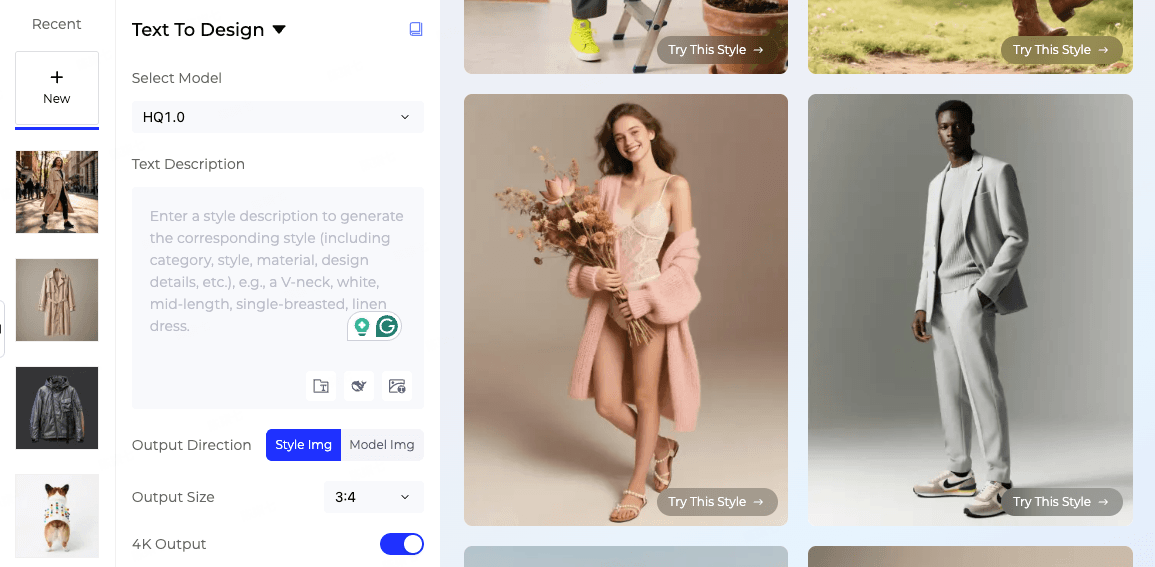
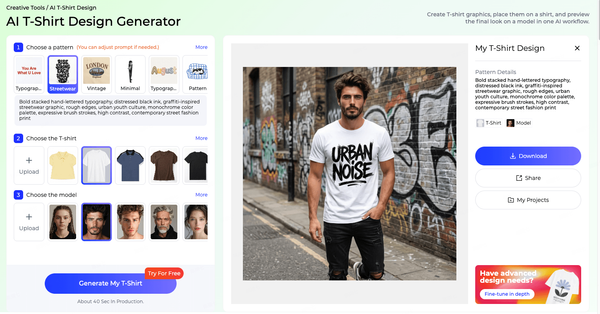
At Style3D AI, the fashion industry is being transformed through an all-in-one AI platform dedicated to fashion design visualization and marketing image creation. The platform empowers designers, brands, and creators to bring fashion ideas to life with exceptional efficiency and creativity through high-quality visual outputs.
Real User Cases and ROI from Fitting Tools
A mid-sized activewear brand using Style3D AI slashed prototyping costs by 75%, launching collections 6 weeks faster after implementing AI garment simulation software. Designers reported 60% fewer fit-related revisions, directly boosting ROI through reduced waste. E-commerce retailer ASOS-like cases show 35% lower return rates via precise virtual fitting predictions.
Independent designers on 3D3D platforms share stories of iterating 3D garment fits in hours versus weeks, saving $200-500 per style on samples. Browzwear users in manufacturing report 50% faster supplier approvals thanks to accurate digital fit testing. Overall, top AI fit simulation tools deliver 5-10x ROI within the first year for scaling brands.
Buying Guide for Garment Fitting Software
Select the best AI for virtual garment fitting by prioritizing physics realism over basic rendering. Test avatar diversity and fabric libraries during trials to ensure coverage for your target market. Integration with PLM, ERP, or e-commerce platforms like Shopify is crucial for seamless workflows in 3D apparel simulation software.
Budget $50-200 monthly for pro tools, scaling to enterprise licenses for teams. Evaluate learning curves via free tiers; intuitive interfaces win for small studios seeking accurate clothing simulation tools. Focus on export formats like DXF and OBJ for production handoff in top digital fitting solutions.
Future Trends in AI Fitting Simulations
By 2027, AI garment fitting software will incorporate AR try-ons via mobile apps for real-time consumer feedback. Hyper-personalized avatars from selfie scans promise 98% fit accuracy, revolutionizing custom apparel. Sustainability drives adoption, with digital twins cutting fabric waste by 90% across the supply chain.
Edge AI will enable on-device simulations for instant virtual try-ons, while blockchain verifies digital fit data for global manufacturing. Expect multimodal AI blending text prompts, sketches, and photos for next-gen garment design simulation software.
Common Questions on Garment Fitting Simulations
What makes the best AI software for garment fitting simulations stand out? Superior physics engines, diverse avatars, and seamless sketch-to-fit workflows define leaders like Style3D AI.
How accurate are virtual garment fitting tools today? Top platforms achieve 95% realism, matching physical samples in drape and stretch predictions.
Can small brands afford AI clothing simulation software? Yes, plans start at $50/month with massive ROI from sampling savings.
Does 3D fitting software support plus-size simulations? Absolutely, customizable avatars handle all body types with precise measurements.
How fast is AI for digital garment fit testing? Most process full outfits in under 10 minutes, enabling rapid iterations.
Ready to upgrade your workflow? Explore Style3D AI today for the ultimate garment fitting simulations and transform your fashion design process now.
Written by
What's Next?

What is 3D Fashion Design and How is It Revolutionizing the Industry?
Learn what 3D fashion design is, how it works, and why it is transforming the apparel industry. Explore the complete digital fashion workflow, key benefits, leading software, and how AI-powered 3D design helps brands reduce sampling, improve collaboration, and accelerate product development.