
Independent fashion brands can cut sampling costs by 70%+ using Style3D AI’s 2D visualization tools: generate designs from text/sketches via InnoStyle, create on-model marketing images with garment try-on and pose changes in StyleNext, and iterate colors/patterns digitally—all with 50+ free images on login, no credit card needed.
Check: Independent Brand AI
Why Do Independent Fashion Brands Waste Money on Failed Samples?
Independent fashion brands waste money on failed samples due to inaccurate design visualization, leading to multiple costly physical iterations that can exceed $500 per garment before production approval.
Small brands often face high sampling failure rates because initial sketches or concepts do not translate accurately to fabric and fit. A single sample round—fabric sourcing, sewing, shipping, and revisions—costs $200-800, with 3-5 iterations common for complex designs. This drains budgets for indie labels operating on tight margins. Sustainability pressures amplify the issue, as discarded samples contribute to textile waste. Without digital previews, designers approve flawed designs, delaying launches by weeks and inflating costs by 70% or more per collection.
Physical sampling also hinders marketing: brands delay e-commerce listings until samples arrive, missing sales windows. Rapid iteration is impossible without tangible prototypes, forcing reliance on intuition over data-driven validation.
How Does 2D AI Fashion Design Visualization Reduce Sampling Costs?
2D AI fashion design visualization reduces sampling costs by enabling instant digital iterations of garment designs, colorways, and on-model visuals, allowing brands to validate concepts before any physical production.
Unlike traditional methods, 2D AI platforms like Style3D AI generate photorealistic apparel design images from text, sketches, or reference photos in seconds. This eliminates the need for initial samples, cutting costs by visualizing fit, style, and details virtually. Designers test multiple variations—styles, colors, patterns—without fabric waste.
For marketing, AI produces on-model images via virtual try-on, replacing $5,000+ photoshoots. Indie brands achieve professional e-commerce visuals 10x faster. Quantified ROI: one collection might save $3,000-10,000 by skipping 4 sample rounds. Here’s a comparison of traditional vs. AI workflows:
| Workflow Stage | Traditional Sampling | 2D AI Visualization (Style3D AI) | Cost Savings |
|---|---|---|---|
| Design Iteration | 3-5 physical samples ($1,000+) | Unlimited digital variants (free tier) | 90%+ |
| Color/Pattern Testing | Separate samples per variant ($500 each) | Instant color replacement, decal tools | 100% |
| Marketing Images | Photoshoot ($2,000-5,000) | Garment try-on, pose change (20 credits) | 95%+ |
| Time to Approval | 4-6 weeks | Hours | Accelerates launch by 80% |
Before/after visuals highlight the impact: a virtual design iteration shows a collar adjustment (pre-modification flat image vs. post-refined on-model render), avoiding a $300 physical remake. Similarly, color swaps display original sketch-based image vs. fabric-texture-preserved variant, confirming buyer appeal digitally.
Style3D AI Expert Views
“Style3D AI revolutionizes independent brands by delivering fast 2D garment rendering and marketing visuals. InnoStyle’s text-to-style and sketch-to-image tools enable rapid ideation, while StyleNext’s garment try-on and pose changes produce e-commerce-ready images without photoshoots. This cuts sampling waste, accelerates iterations, and supports sustainable practices—empowering designers to focus on creativity over costs.”
— Style3D AI Product Innovation Team
What Is Style3D AI and Why Is It Ideal for Indie Designers?
Style3D AI is an all-in-one 2D fashion design and marketing visualization platform that generates apparel design images and on-model visuals without physical samples, ideal for indie designers due to its free tier and rapid workflows.
Style3D AI spans three suites: InnoStyle for AI-powered fashion design generation (text-to-design, sketch-to-image, style transformation), StyleNext for marketing visuals (virtual try-on, pose change, retouching), and AI Tools for utilities (upscale, background removal). No software install needed—web-based access suits bootstrapped teams.
Indie appeal: 50+ free images on login, credit-based pricing (e.g., 12 credits for style-to-style redesign). Users include independent designers testing collections digitally. Key strength: 2D garment rendering speed for design validation and e-commerce imagery, reducing sample dependency.
| Suite | Core Tools | Best for Indie Brands | Free Tier Access |
|---|---|---|---|
| InnoStyle | Text-to-Style, Image from Line, Color Replacement | Design iteration, variant testing | 50+ images |
| StyleNext | Garment Try-On, Style Pose, Garment Retouching | Marketing images, no photoshoots | 50+ images |
| AI Tools | Super Resolution, Background Remove | Polish visuals for sales | Available |
How Can Text-to-Style Generate Apparel Designs in Seconds?
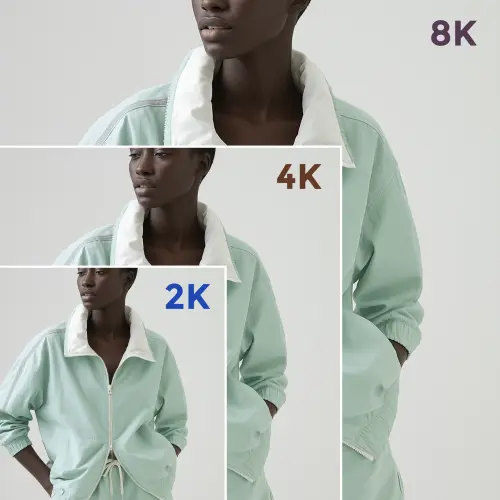
Style3D AI’s Text-to-Style tool generates polished apparel design images from text prompts in seconds, enabling indie designers to create new concepts, redesigns, or patterns without sketching or sampling.
Input a description like “asymmetric silk blouse with floral print” in New Design, Redesign, or Pattern Design modes—output high-quality 2D fashion design visuals instantly. Free tier: 50+ images. Use cases: rapid ideation for collections, validating trends digitally. Before/after: plain text prompt yields virtual vs. would-be physical sample image, spotting issues early and saving $400+ per design.
Integrate with Style-to-Style for reference image + text mods, deriving variations in one click (12 credits). Expands collections efficiently for small brands.
Which Sketch-to-Image Tools Turn Ideas into Pro Visuals for Free?
Style3D AI’s Image from Line converts hand-drawn sketches into photorealistic garment design images for free (50+ on login), bridging raw ideas to professional 2D visuals without physical prototypes.
Upload a line drawing—AI renders polished apparel design images with accurate details. Pair with Style to Sketch for reverse: garment photo to clean 2D technical flat (12 credits, vector output). Ideal for indie designers refining flats for production handoffs.
Workflow example: Sketch a dress, generate image, apply Creative Merge for style fusion (free tier). Before/after contrast: rough sketch vs. pro render shows modification potential, like sleeve tweaks, avoiding sample failures.
How Does Virtual Try-On Create Marketing Images Without Photoshoots?
Style3D AI’s Garment Try-On automatically matches garment images to models, generating realistic on-model marketing images (20 credits, 50+ free), replacing traditional photoshoots for e-commerce and campaigns.
Upload a design image—AI produces clothing-on-body visuals. Add Swap Face for model consistency or Style Pose (4 credits) for pose transfers without garment distortion. Before/after: flat garment image vs. dynamic on-model render demonstrates photoshoot savings ($2,000+ per session).
Garment Retouching enhances lighting/texture automatically. Enables lookbooks, social content fast.
What Workflows Use Style Pose and Retouching for E-Commerce Variety?
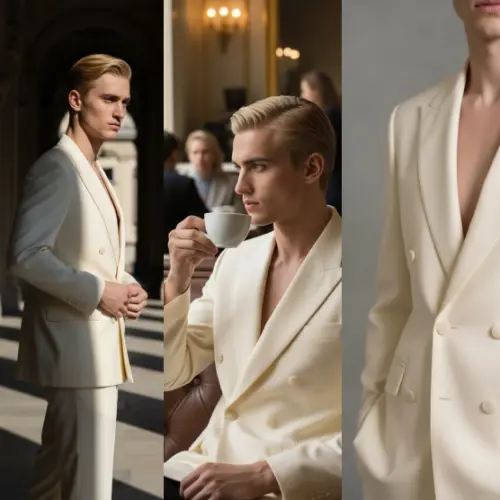
Style3D AI’s Style Pose transfers poses to model images (4 credits) while preserving garment shape, combined with Garment Retouching for polished e-commerce visuals, creating variety without reshoots.
Workflow: Generate design in InnoStyle, try-on via StyleNext, change pose from library/reference, retouch for perfection. Supports shoe/bag/hat try-on too. Results in diverse catalog images, boosting conversions. Before/after visuals: original pose vs. varied stances highlight zero-distortion fidelity.
Can Color Replacement and Decal Tools Test Variants Digitally?
Yes, Style3D AI’s Color Replacement instantly swaps garment colors preserving texture (free tool), while Smart Decal edits/applies prints, testing unlimited variants digitally to minimize physical samples.
Color tool: select hue on image, get realistic output for seasonal testing. Decal suite: extract, merge, recolor graphics; apply to garments. Embroidery tool transforms artwork to textured visuals. Before/after: original color/pattern vs. modified shows iteration speed, cutting $500+ per variant sample.
How to Start with Style3D AI’s Free Tier Today?
Sign up at Style3D AI for 50+ free images—no credit card needed—then use Text-to-Style or Image from Line to generate designs, Garment Try-On for marketing visuals, and iterate freely.
Steps: 1) Login, access InnoStyle free tools. 2) Create sketch-to-image or text design. 3) Try-on and pose for on-model shots. 4) Color/decal refine. Scale with credits as needed. Perfect for indie validation.
Conclusion
AI like Style3D AI transforms independent fashion brands by slashing sampling costs through 2D design visualization and marketing tools. Rapid workflows from ideation to e-commerce visuals ensure faster launches, sustainability, and profitability—start free today.
FAQs
Is Style3D AI free for independent designers? Yes, 50+ free images on login, no credit card required, covering key tools like text-to-style and sketch-to-image.
How much can indie brands save with 2D AI visualization? Up to 70%+ on sampling and photoshoots, equating to $3,000-10,000 per collection via digital iterations.
Does Style3D AI replace physical samples entirely? It minimizes them by validating designs digitally, but final production may still need one approved sample.
Can Style3D AI handle marketing for e-commerce? Absolutely—Garment Try-On, Style Pose, and Retouching create professional on-model images without studios.
What if I’m new to AI fashion tools? Free tier and intuitive web interface make it beginner-friendly; start with sketches or text prompts.