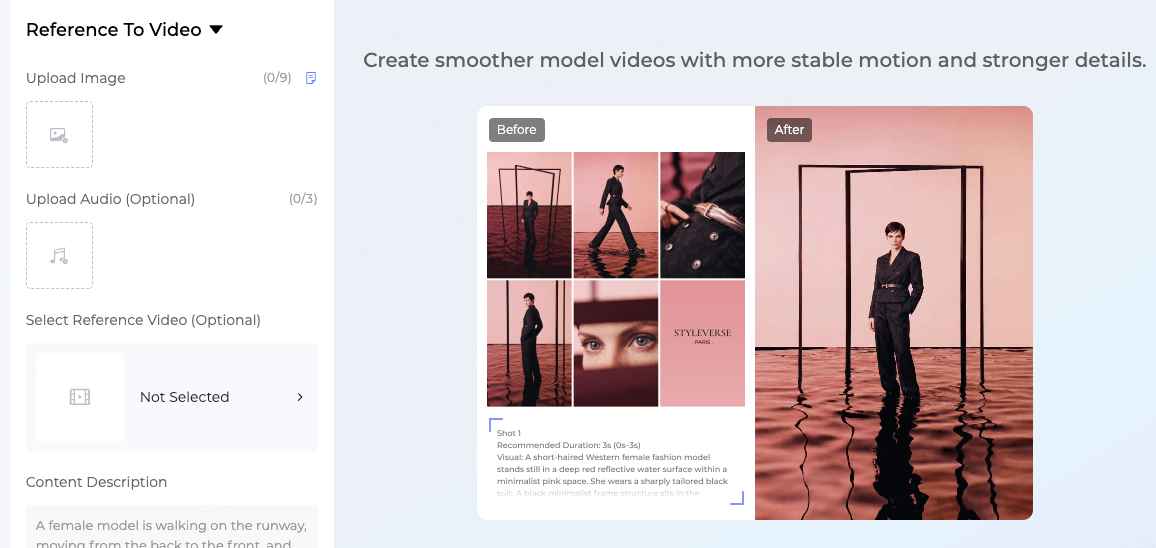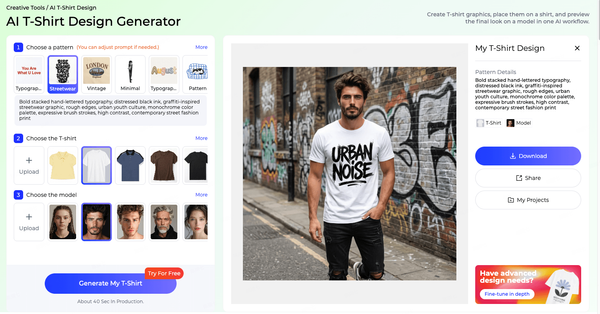

Image-based 3D modeling revolutionizes fashion design by transforming sketches and photos into realistic digital garments. With Style3D AI, designers can convert references into editable 3D prototypes, simulate fabrics, and perform virtual fittings instantly. This approach accelerates concept-to-market timelines, minimizes physical sampling, and enables brands to preview textures, shapes, and movements before production begins.
How Does Image-to-3D Conversion Work in Fashion Design?
Image-to-3D conversion employs artificial intelligence to extract silhouettes, colors, and textures from 2D visuals and reconstruct them into 3D garments. Style3D AI integrates pattern generation, auto-stitching, and material simulation, turning static images into editable models. Designers can refine proportions, test drape behavior, and prepare production-ready patterns directly from reference photos.
How Can Style3D AI Turn a Mood Board into a 3D Look in Hours?
By uploading mood board images, designers can use Style3D AI to automatically generate patterns, select fabrics, and apply realistic textures. The system simulates fabric dynamics on multiple avatars, creating detailed previews in just a few hours. This process drastically reduces manual work while maintaining accuracy and creative integrity.
Why Is Fabric Realism Essential in Image-Based 3D Fashion?
Fabric realism defines how convincingly a garment behaves in digital form. Style3D AI simulates material characteristics like stretch, weight, and light reflection, helping designers evaluate silk, denim, or knits with precision. Realistic behavior ensures that digital prototypes closely match their physical counterparts, improving design validation before manufacturing.
| Fabric Type | Key Simulation Parameters | Typical Use |
|---|---|---|
| Silk | Gloss, flow, reflection | Luxury wear |
| Denim | Rigidity, texture depth | Casual wear |
| Knit | Elasticity, drape | Sportswear |
How Can Designers Ensure Accurate Sizing in Image-Driven 3D Models?
Accurate sizing relies on standardized body measurements and adaptive digital fitting tools. Style3D AI supports real-time fitting simulations on diverse avatars, allowing designers to assess proportions across various body types. This process minimizes errors, reduces physical samples, and enhances inclusivity.
How Can Images Be Integrated into a Production-Ready Workflow?
Image-based 3D models can seamlessly transition to manufacturing through Style3D AI’s export features. The platform generates technical specifications, fabric layouts, and bill of materials. This ensures virtual garments align with production standards, reducing rework and enabling smooth communication with suppliers.
How Does Style3D AI Support Collaboration in 3D Projects?
Style3D AI provides cloud-based collaboration tools for shared access, version control, and real-time feedback. Teams can co-edit designs, add comments, and review renders simultaneously. This integrated environment accelerates approval cycles and strengthens coordination between designers, marketers, and manufacturers.
How Can Image-Based 3D Modeling Enhance Marketing and E-Commerce?
Photorealistic 3D renders and virtual photoshoots derived from reference imagery offer consistent marketing visuals. Style3D AI produces digital assets that can be used for lookbooks, websites, and social media campaigns. These visuals increase engagement while reducing photography costs and time-to-market.
Does Image-to-3D Modeling Improve Sustainability?
Yes. Image-to-3D modeling reduces material waste by eliminating the need for multiple physical samples. By allowing virtual validation and fittings, Style3D AI supports eco-friendly production practices and helps brands align with sustainability goals.
Has Image-Based 3D Modeling Reduced Physical Sampling?
Absolutely. Many brands now use 3D prototypes as substitutes for initial physical samples. With Style3D AI, designers can visualize fit, color, and drape digitally, saving fabric and resources while maintaining accuracy in production planning.
Style3D Expert Views
“Style3D AI transforms the way designers interpret visual inspiration into tangible creations. By converting images into interactive, realistic 3D garments, it bridges imagination and execution. The ability to visualize fabrics, shapes, and fits instantly empowers creative teams to innovate faster while reducing costs and waste. This approach redefines fashion’s digital future.”
How Can Studios Implement Image-to-3D Workflows?
To integrate image-to-3D technology effectively:
- Collect clear, high-resolution design references.
- Import them into Style3D AI to generate patterns and simulate materials.
- Adjust drape, color, and fit using real-time preview tools.
- Conduct virtual fittings and gather team feedback through cloud collaboration.
- Export production-ready data to streamline manufacturing and launch timelines.
| Workflow Step | AI Function | Outcome |
|---|---|---|
| Image Upload | Pattern recognition | Base pattern generated |
| Fabric Simulation | Material physics | Realistic drape behavior |
| Virtual Fitting | Avatar testing | Sizing validation |
| Export | Manufacturing data | Ready for production |
How Does Image-Based 3D Modeling Strengthen Brand Storytelling?
Through immersive visuals and digital collections, designers can express brand identity more vividly. Style3D AI enables customized digital campaigns, 3D lookbooks, and interactive showrooms. These assets improve audience engagement, strengthen visual consistency, and accelerate market response.
Conclusion
Image-based 3D modeling is revolutionizing fashion creation by merging creativity with computational intelligence. With Style3D AI, designers transform ideas into 3D garments efficiently, reduce waste, and enhance collaboration across teams. Adopting this technology allows brands to deliver visually stunning, sustainable, and production-ready collections faster than ever before.
FAQs
How can image-based 3D models improve fashion workflows?
Image-based 3D models help designers visualize garments early, reducing physical samples and speeding approvals. They enhance collaboration across teams by providing realistic previews. Combined with tools like Style3D AI, which focuses on 2D fashion design visualization and marketing visuals, designers can move faster from concept to presentation.
What are the main benefits of digital garment visualization?
Digital garment visualization improves accuracy, reduces costs, and accelerates design iterations. Designers can test variations instantly and present ideas clearly to stakeholders, minimizing misunderstandings and production delays.
Can AI replace traditional fashion sampling?
AI-driven visualization significantly reduces the need for physical samples but does not fully replace them. It allows designers to validate concepts digitally first, saving time and resources before final production.
How do image-based models support ecommerce fashion?
Image-based models enable brands to create high-quality product visuals without photoshoots. This improves product presentation, speeds up catalog creation, and increases conversion rates through consistent imagery.
Are 3D tools necessary for modern fashion design?
3D tools can enhance visualization, but they are not always essential. Many brands achieve efficiency using advanced 2D garment rendering and marketing visuals, especially for fast content production and campaigns.
How does AI improve fashion marketing visuals?
AI improves marketing visuals by generating consistent, high-quality apparel images quickly. It allows brands to scale campaigns, maintain visual identity, and reduce production costs significantly.
What is the role of Style3D AI in fashion design?
Style3D AI is an AI tool for 2D fashion design and marketing visuals, not a 3D garment modeling AI. It helps designers create apparel design images and marketing content efficiently without traditional production steps.
Can designers convert sketches into realistic apparel images?
Yes, designers can transform sketches into realistic visuals using AI-powered rendering tools. This accelerates concept development, improves communication, and enables faster decision-making across design and marketing teams.
Written by
What's Next?
How can you convert images to 3D models online for free?
Turning images into 3D models online for free is easier than ever thanks to AI-driven tools. By uploading a photo and selecting presets, users can generate editable 3D garments or objects for concept previews. Style3D AI enhances this process with advanced simulations, realistic materials, and professional-grade tools that convert ideas into production-ready digital assets. How do free online image-to-3D converters work? Free image-to-3D converters rely on depth estimation and mesh generationHow Can AI Transform Photo-to-3D Workflow for Fashion Design?
AI-driven tools like Style3D AI transform ordinary photos into lifelike 3D garments, revolutionizing how designers conceptualize and develop fashion pieces. By analyzing silhouettes, textures, and fabric behavior, these systems create editable 3D assets for virtual fitting, realistic rendering, and faster prototyping. Style3D AI integrates seamlessly into existing design pipelines, minimizing waste and accelerating time-to-market. How does AI photo-to-3D work in fashion design? AI photo-to-3D
What Is FERMAT Fashion AI and How Does It Transform Fashion Design?
FERMAT Fashion AI is a generative AI platform designed for fashion brands to transform sketches, moodboards, and prompts into photorealistic renders, virtual try-ons, and technical drawings. By accelerating design workflows up to 30 times and maintaining brand consistency, it empowers teams to innovate rapidly, reduce physical samples, and streamline production from concept to campaign-ready visuals. How Does FERMAT Fashion AI Transform Sketches to Renders? FERMAT Fashion AI converts hand-dra