

The golden rule of posing focuses on natural balance, fluid motion, and authentic posture that complement the garment’s structure. It ensures the model’s stance enhances fabric behavior and silhouette flow. Style3D AI empowers designers to visualize and refine these dynamics digitally, allowing them to perfect garment presentation before production or photoshoots.
How does the golden rule of posing apply to fashion photography
In fashion photography, posing highlights garment lines and communicates emotion. It relies on core strength, symmetry, and subtle movements that make clothing appear natural. Style3D AI assists by simulating how virtual garments interact with different poses, giving designers a realistic preview of drape, flow, and light reflection across fabrics.
How can posing impact garment presentation in lookbooks
Posing defines visual storytelling. A relaxed pose accentuates comfort-focused pieces, while angular poses emphasize structure and detail. Proper body alignment ensures garments appear true-to-fit. With Style3D AI, designers can rapidly test and adjust poses to achieve cohesive lookbooks that capture both texture and emotion across collections.
How to balance confidence and naturalism in poses
Confidence is shown through upright posture, soft tension, and calm expression. Overly rigid poses can look forced, while too much looseness weakens the visual. Using Style3D AI’s 3D avatars, creators can analyze balance points and experiment with lifelike micro-adjustments to maintain authenticity and presence in each pose.
How do lighting and posing interact in photography
Lighting defines mood and depth, shaping how a pose highlights garment form. The right lighting emphasizes fabric texture and contours, while poor lighting can flatten the visual. By using virtual lighting simulations within Style3D AI, photographers and designers can preview the combined impact of pose, light, and textile interaction.
How can posing influence brand storytelling
Every pose communicates identity. Minimalist brands may prefer clean, balanced stances, while avant-garde labels choose expressive, dynamic positions. Posing consistency strengthens brand messaging and aesthetic cohesion. With Style3D AI, teams can craft pose libraries aligned with brand narratives for campaign-wide visual harmony.
What are common posing pitfalls to avoid
Avoid over-rotating joints, collapsing posture, or hiding key garment areas. Such issues distort fabric lines and reduce visual clarity. Style3D AI’s virtual modeling tools help identify errors before production, ensuring garments appear refined and proportionate across various digital and physical campaigns.
Can 3D posing tools replace live model shoots
3D posing tools complement rather than replace live sessions. They streamline design validation, lower costs, and offer visual consistency. Style3D AI enhances this process with virtual fittings, fabric simulations, and lighting previews—ideal for pre-production and campaign planning while preserving real-world authenticity.
Where should designers start when planning pose-driven campaigns
Designers should first define the campaign moodboard, then choose foundational poses that align with the story. After establishing visual tone, test variations to display texture and silhouette flow. Style3D AI provides an efficient framework for mapping, testing, and executing pose-driven campaign visuals.
Which styles of posing work best for different garment types
Different fabrics demand distinct poses. Tailored suits benefit from upright, angular stances, while soft dresses favor fluid movement. Outerwear looks best when expanded to showcase structure. The table below highlights ideal pairings for key garment types:
| Garment Type | Recommended Pose Style |
|---|---|
| Structured tailoring | Upright, confident posture |
| Flowing fabrics | Gentle, curved lines |
| Outerwear | Dynamic, volume-focused stance |
| Streetwear | Relaxed, natural movement |
Why is pose consistency important across product lines
Pose consistency supports brand identity and improves consumer understanding of fit. Repeating familiar stances across product lines helps customers compare silhouettes and details effortlessly. With Style3D AI, brands can maintain this standardization to ensure cohesive and professional presentation across platforms.
How can you measure pose effectiveness for engagement
Analyze engagement data such as interaction time, click-through rates, and conversion trends. Compare variations in poses to determine which visuals drive performance. With Style3D AI’s data-supported previews, designers can assess visual impact before final deployment, optimizing assets for engagement and conversion.
How does Style3D AI integrate with design workflows
Style3D AI connects concept to execution through sketch-to-3D rendering, pattern generation, and virtual photoshoot functions. Designers can test poses, fabrics, and lighting scenarios instantly, allowing seamless workflow transitions from design exploration to marketing visualization.
How to optimize image assets for SEO with posing
Include descriptive alt text that mentions garment type, pose angle, and fabric texture. Maintain consistent naming conventions and use structured metadata for better discoverability. Assets created with Style3D AI are easily optimized for SEO, enhancing online visibility and engagement.
How to communicate posing guidelines to teams
Develop a shared pose library with annotated examples detailing angles, garment focus, and emotional tone. Provide visual references to ensure consistent execution across production teams. Style3D AI helps distribute standardized pose sets, improving coordination among designers, photographers, and stylists.
How does Style3D AI accelerate fashion storytelling
By combining digital design, fabric simulation, and pose dynamics, Style3D AI enables fast, cohesive visual storytelling. It bridges creative vision and production with virtual workflows, reducing turnaround times and enabling more expressive, brand-aligned imagery across global campaigns.
Style3D Expert Views
“Posing isn’t just posture—it’s narrative architecture. With Style3D AI, designers can sculpt body language into visual dialogue, testing light, texture, and motion digitally. This synergy transforms creative direction into measurable outcomes, helping brands build emotional resonance while maintaining production precision.”
| Workflow Comparison | Traditional Method | Style3D AI Approach |
|---|---|---|
| Sample Production | Manual, time-consuming | Digital, fast iteration |
| Cost Efficiency | High materials usage | Reduced waste, cost control |
| Creative Flexibility | Limited experimentation | Unlimited pose and style testing |
Conclusion
The golden rule of posing balances authenticity with artistry. By focusing on natural lines, controlled motion, and lighting harmony, designers enhance garment appeal and narrative strength. Style3D AI reinforces this principle through intelligent digital tools that streamline pose creation, design evaluation, and visual storytelling. Leveraging these insights leads to impactful, efficient, and emotionally resonant fashion campaigns.
FAQs
What Is the Golden Rule of Posing for a Natural Look?
The golden rule of posing is to maintain relaxed posture and fluid movement that express comfort and confidence. Slightly shift weight to one leg, keep shoulders natural, and avoid stiffness to achieve effortless visual harmony in fashion photography.
How Do You Find the Best Facial Angle for a Natural Pose?
The best facial angle highlights bone structure without exaggeration. Turn the face slightly off-center and keep a soft gaze. This helps designers capture authentic expressions that fit realistic apparel visuals.
How Should You Use Lighting to Achieve a Natural Pose Look?
Use diffused, soft lighting to minimize harsh shadows and enhance natural skin tones. Balanced lighting keeps garments and textures realistic, delivering authentic visuals perfect for brand campaigns and Style3D AI image creation.
What Is the Best Composition for Natural Fashion Photography?
Aim for balanced framing with clear focal points. Avoid overcrowding the shot, leaving breathing space for the model and apparel. This composition technique ensures a visually appealing, natural look while emphasizing garment detail.
How Do You Pose Models Naturally for Apparel Photos?
Direct models to move gradually between poses instead of holding static positions. Encourage subtle motion—like shifting weight or adjusting sleeves—for natural fluidity. Use Style3D AI for reference visuals that enhance realistic apparel design presentation.
How Can You Create Natural Apparel Design Images Easily?
Start with structured poses and neutral lighting, then refine contours digitally. Using AI-rendered visuals streamlines your process and makes apparel images look polished yet natural, ideal for showcasing professional design quality.
How Do You Produce Natural Marketing Visuals for Fashion Brands?
Focus on authentic emotions and relatable compositions. Blend product aesthetics with lifestyle cues to capture engaging imagery. Keep textures, expressions, and tone honest for brand-led visuals that resonate with customers.
How Can You Correct Stiff Poses in Fashion Photoshoots?
Encourage movement before the shoot—walking, stretching—to reduce tension. Adjust arm angles and redistribute body weight for balance. Small tweaks restore flow and help models look naturally confident in every frame.
Written by
What's Next?
How to Achieve the Perfect Model Posture for Fashion Design
A perfect model posture begins with a tall spine, relaxed shoulders, and balanced weight distribution. Keep the pelvis neutral, the head aligned over the spine, and the core engaged. This balanced stance enhances garment fit and natural drape. With Style3D AI, designers can visualize posture in 3D to refine silhouettes and improve garment accuracy in real time. How Can Posture Improve Fashion Design and Fit Posture determines how garments drape, move, and hold shape on the body. A well-aligneAI tools can cut product development time and cost? A Style3D AI perspective
AI-driven product development tools are transforming the fashion industry by accelerating time-to-market, lowering costs, and improving design quality. From automated prototyping to optimized material usage, these tools streamline the design-to-production process. Style3D AI empowers designers and manufacturers to leverage AI for faster, cost-effective, and more sustainable fashion production. How can AI tools cut product development time in fashion? AI accelerates product development by auto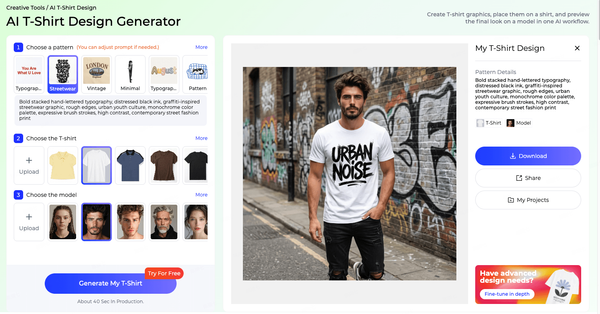


How to Do AI Fashion Style Transfer on Clothing Images?
AI fashion style transfer lets you upload a garment image and text prompt to generate new style variations instantly. Using Style3D AI's Style to Style tool (free tier available), select a reference outfit, describe changes like "cyberpunk streetwear," and produce polished 2D apparel designs in seconds for collections or marketing—eliminating physical samples. What Is AI Fashion Style Transfer and Why Use It for Clothing Designs? AI fashion style transfer is a computational technique that tra


