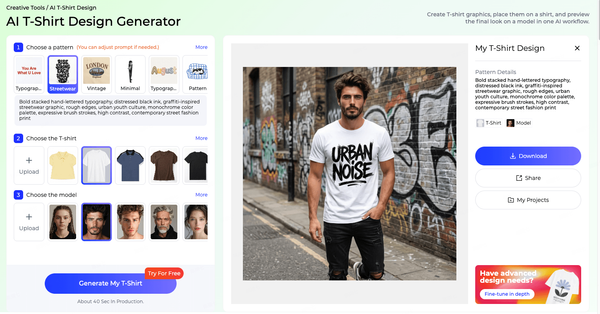
Converting an image to a 3D model uses advanced AI to transform flat photos into interactive digital assets. In fashion, this enables designers to visualize garments, test fits, and refine details without physical samples. Platforms such as Style3D AI make the process fast, accurate, and accessible, helping brands reduce costs, speed up development, and collaborate digitally.
What Is Image to 3D Model Conversion?
Image to 3D model conversion is the process of turning a two-dimensional image into a fully rotatable three-dimensional object. AI analyzes shape, depth, texture, and material cues to reconstruct a realistic digital model. In fashion workflows, this means converting garment photos into editable 3D designs.
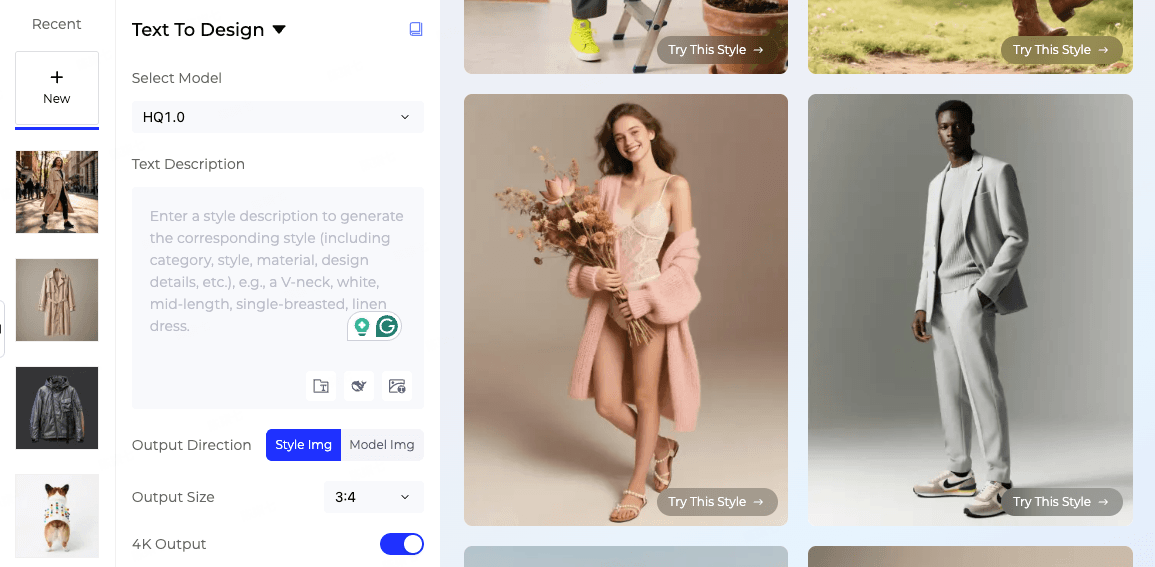
Style3D AI specializes in fashion-focused conversion, allowing designers to upload a single image and quickly generate a production-ready garment model. This approach supports rapid iteration, virtual sampling, and digital presentations across the design lifecycle.
| Stage | Description | Practical Value |
|---|---|---|
| Image Input | Upload garment photo | Fast project start |
| AI Interpretation | Detect form and fabric | Accurate structure |
| 3D Generation | Build mesh and materials | Editable model |
| Refinement | Adjust details and export | Ready for use |
How Does Image to 3D Work in Fashion Design?
AI systems estimate depth and construct meshes by learning from large datasets of garments and body forms. They predict unseen angles and simulate how fabric behaves in real life. This is critical for apparel, where drape and fit define quality.
Style3D AI integrates these capabilities with automatic stitching, pattern creation, and fabric simulation. Designers can preview garments on virtual models, make changes instantly, and reduce reliance on physical samples, improving efficiency and sustainability.
Which Tools Are Best for Converting Images to 3D?
Several tools offer image-to-3D capabilities, but their focus and strengths vary. Fashion professionals often prioritize garment accuracy, fabric realism, and workflow integration.
| Tool | Primary Strength | Fashion Suitability |
|---|---|---|
| Style3D AI | Garment design and simulation | High |
| Tripo AI | Fast concept models | Medium |
| Luma AI | Visual realism | Low |
| Alpha3D | E-commerce assets | Medium |
Style3D AI stands out by offering templates, fabric libraries, and features tailored to apparel, making it suitable for designers, brands, and educators.
Why Use Image to 3D Conversion in Fashion?
Image to 3D conversion significantly reduces development time and sampling costs. Designers can visualize collections early, test ideas digitally, and collaborate remotely. This approach also supports sustainability by minimizing material waste.
By using Style3D AI, brands can launch products faster, improve communication between teams, and enhance online presentations with interactive 3D visuals, creating a competitive advantage in a fast-moving market.
What Challenges Exist in Image to 3D Conversion?
Common challenges include low-quality images, complex garment folds, and inaccurate depth estimation. Poor lighting or resolution can lead to distorted models that require extra correction.
Style3D AI addresses these issues with fashion-trained AI models and intelligent correction tools. With proper image preparation and refinement options, users can achieve reliable results suitable for professional use.
How Should Images Be Prepared for Best Results?
High-quality input images are essential for accurate 3D conversion. Clear lighting, neutral backgrounds, and sharp resolution help AI detect details correctly.
Users of Style3D AI benefit from built-in enhancements, but best practice includes using well-lit photos, avoiding extreme angles, and starting with simpler garments before moving to complex designs.
Can Beginners Use Image to 3D Tools Easily?
Modern platforms are designed for accessibility. Drag-and-drop interfaces and guided workflows allow users with no 3D background to get started quickly.
Style3D AI is particularly beginner-friendly, offering templates and intuitive controls that help fashion students, independent designers, and creative teams produce professional 3D garments with minimal learning time.
Style3D Expert Views
“Image-to-3D technology is reshaping how fashion products are developed. At Style3D AI, we focus on making advanced AI practical for everyday design work. By combining garment reconstruction with realistic fabric simulation, designers can move from concept to decision faster and with greater confidence. This shift not only saves time and cost, but also encourages more sustainable and creative design practices across the industry.”
How Does Style3D AI Stand Out in Image to 3D Conversion?
Style3D AI is built specifically for fashion creation. Beyond basic 3D reconstruction, it offers automatic stitching, pattern tools, fabric try-ons, and export options for multiple digital uses.
Its all-in-one platform supports a wide range of users, from independent designers to large fashion houses, enabling efficient workflows and consistent results throughout the design and presentation process.
What Future Trends Are Shaping Image to 3D Technology?
Future developments include real-time 3D generation, deeper integration with virtual and augmented reality, and more personalized garment simulations based on body data. These advances will further blur the line between digital and physical fashion.
With continuous innovation, Style3D AI is positioned to support these trends, helping the fashion industry adopt smarter, faster, and more sustainable creation methods.
Conclusion
Image to 3D model conversion has become a powerful tool for modern fashion design. It accelerates development, reduces costs, and supports sustainable practices. By using platforms like Style3D AI, designers and brands can transform simple images into accurate 3D garments, streamline collaboration, and bring products to market with greater confidence. Investing in quality images and integrating digital workflows is a practical step toward future-ready fashion creation.
FAQs
Is image to 3D conversion accurate for complex garments?
Yes, advanced AI can handle layers and folds, especially when supported by manual refinement tools in platforms like Style3D AI.
How long does it take to convert an image to a 3D model?
Most conversions take only a few minutes, depending on garment complexity and image quality.
Can converted 3D models be used for production planning?
Yes, many models can be refined and exported for design review, sampling decisions, and digital presentations.
Do I need professional photography for good results?
Professional images help, but clear, well-lit photos with good resolution are usually sufficient.
Is Style3D AI suitable for students and small brands?
Yes, Style3D AI is designed to support beginners and professionals alike with flexible tools and scalable features.